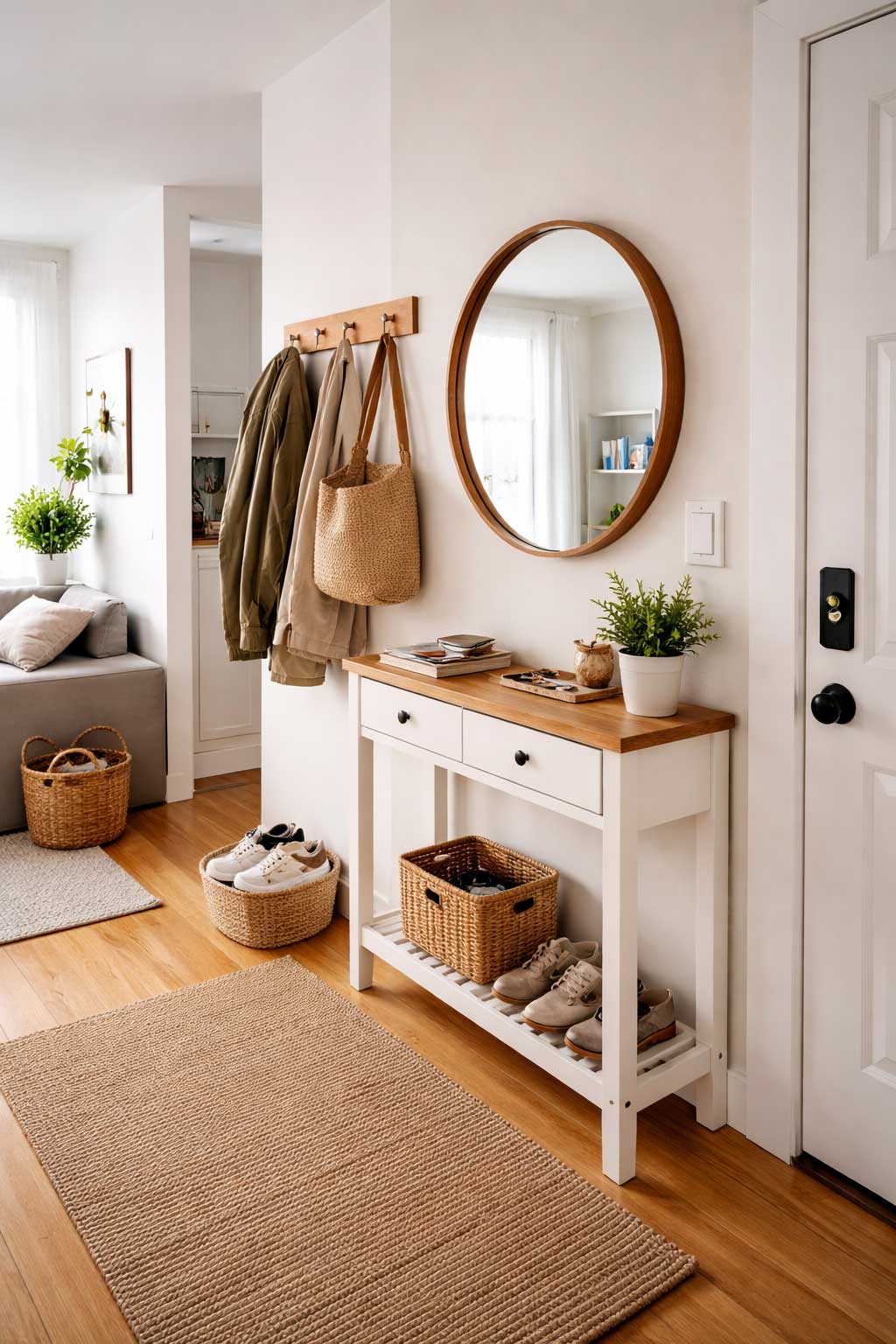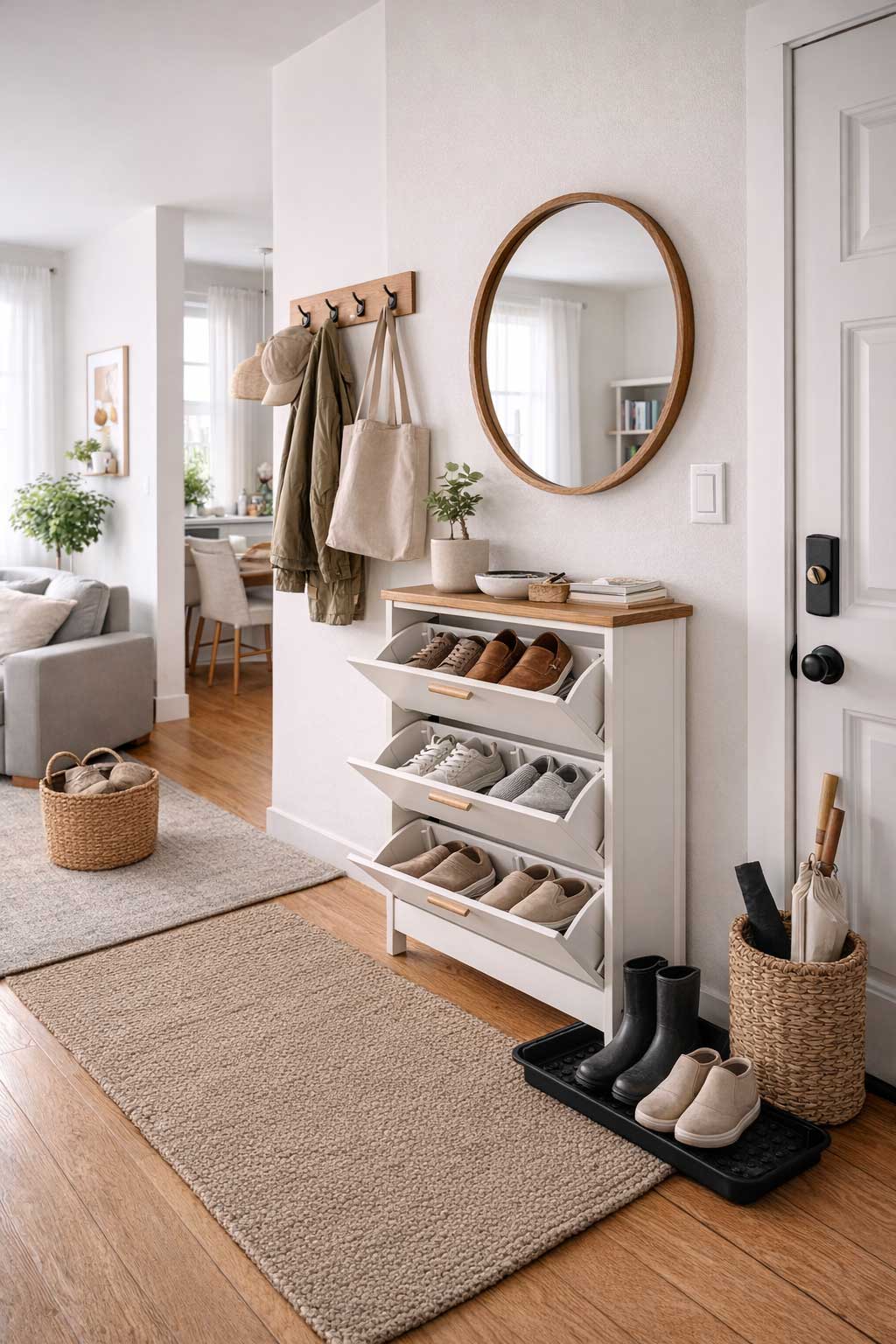
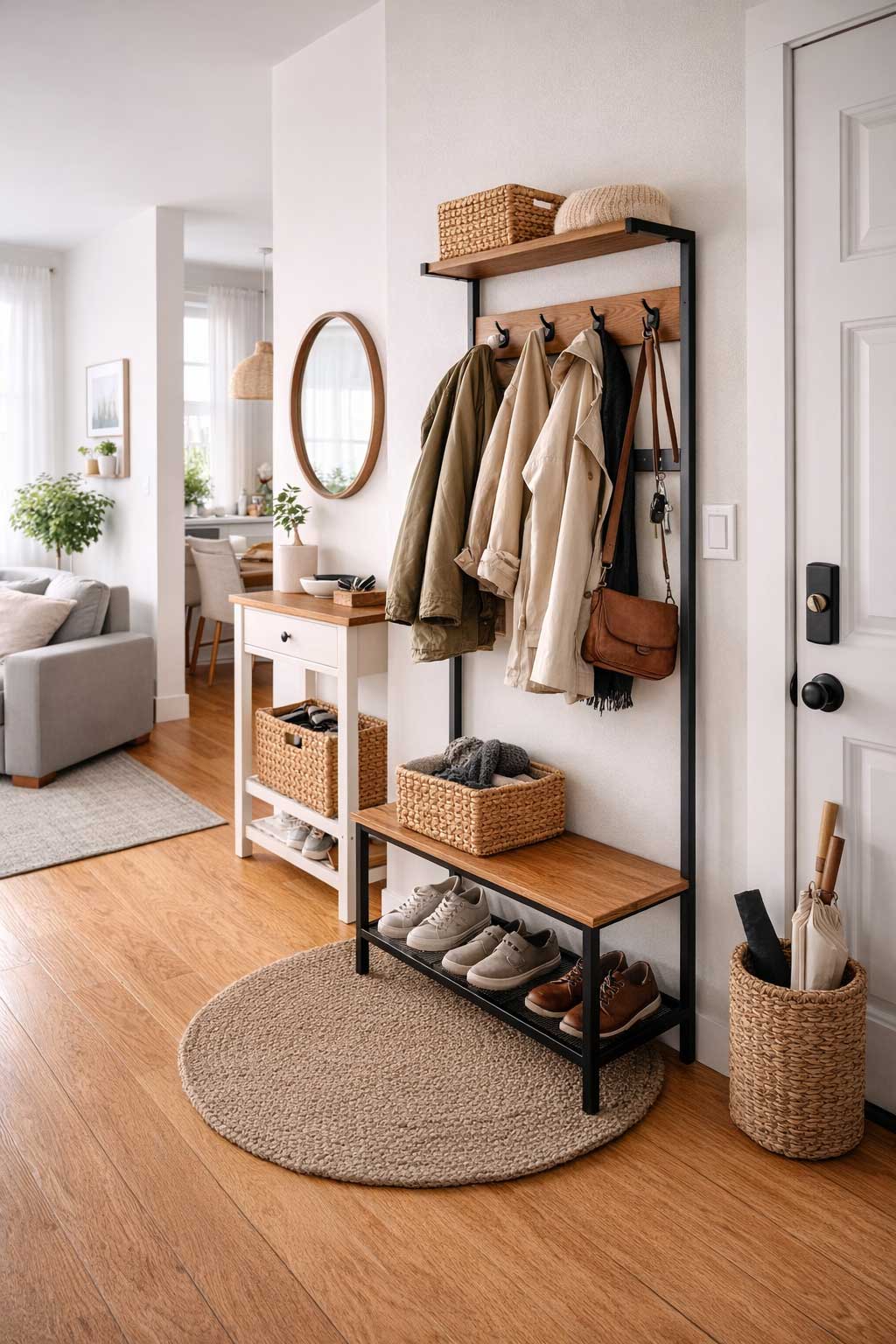
How to Organize Coats in a Small Apartment Without a Coat Closet
Organizing coats in a small apartment can feel frustrating when there is no coat closet near the front door. Jackets, hoodies, raincoats, bags, and cold-weather layers can pile onto chairs, hang over furniture, or end up scattered across the entryway fast. The problem is not just finding a place to hang a coat. It is creating a system that keeps outerwear accessible without making the apartment feel crowded or messy.
The good news is that you do not need a dedicated closet to keep coats under control. In a small apartment, the best coat organization usually comes from limiting what stays near the door, choosing the right kind of storage for your layout, and keeping the setup simple enough to maintain every day. With the right approach, you can keep coats easy to grab while making the entrance feel more functional and less cluttered.
For coat storage ideas built for tight layouts, explore our Best Coat Racks for Small Apartment Entryways guide.
If you want options that use less floor space, check out Best Wall Hooks for Small Apartment Entryways.
This guide is part of our Small Apartment Entryway Solutions collection.
Quick Answer
If your apartment does not have a coat closet, the best way to organize coats is to keep only daily-use outerwear near the door and use a compact storage solution that fits your layout. In most small apartments, that means using hooks, a coat rack, a hall tree, or a small cabinet setup that keeps coats accessible without letting them take over the entrance.
A good no-closet coat setup usually works best when it includes:
- space for only the coats you currently use
- one clear coat zone near the entrance
- a separate spot for bags, hats, or scarves
- enough room for coats to hang without blocking walkways
- seasonal rotation so the entry area stays manageable
Why Coats Become a Problem Fast in Small Apartments
Coats create clutter quickly because they are bulky, used often, and easy to drop wherever there is an open surface. In a small apartment without a coat closet, jackets tend to land on dining chairs, sofa arms, bedroom doors, or the nearest bench by the front door. Once that starts happening, the entrance begins to feel messy even if the rest of the apartment is in decent shape.
Outerwear also takes up more visual space than people expect. A few thick jackets hanging in the wrong spot can make a narrow hallway feel tighter or make a living room entry corner look overloaded. This is one reason coat clutter feels worse than smaller categories like keys or mail. It changes how the whole area looks.
That is why coat organization in a small apartment has to be intentional. The goal is not to find space for every jacket you own right by the entrance. The goal is to create a manageable everyday system that keeps the most-used coats easy to reach while preventing the front door area from becoming a dumping ground.
Start by Deciding Which Coats Actually Need to Stay Near the Door
One of the biggest mistakes people make is treating the front-door area like a full outerwear closet. In a small apartment, that usually backfires. The entry zone should hold the coats you are actively using, not every jacket, blazer, rain shell, and winter layer you own.
Start by separating outerwear into categories. Daily-use coats are the ones that should live closest to the door. These are the jackets you reach for multiple times a week. The next category is occasional-use outerwear, such as heavier weather gear, backup coats, or special-purpose layers. Those items usually belong in a bedroom closet, wardrobe, or another storage area rather than the main entry setup.
This kind of rotation matters even more in apartments shared with another person. Without limits, two or three coats per person can turn into eight or ten visible pieces in no time. A much better system is to keep the current rotation near the entrance and move overflow elsewhere. That one change makes almost any small-apartment coat setup work better.
Choose the Best Coat Storage Type for Your Layout
The best coat storage is not the same for every apartment. What works in an open living room entry may not work in a narrow hall or studio. Choosing the right format matters just as much as choosing the right size.
Hooks are often the best solution for very tight layouts. They use very little space and can make a lot of sense when there is almost no floor room near the door. They work especially well for apartments where only one or two coats per person need to stay out at a time.
A coat rack works best when you have a little open floor space and want flexibility. It is easy to move and easy to use, which makes it practical for renters. The downside is that it can look cluttered quickly if too many coats end up on it.
Hall trees are a strong option when the entry area needs to handle more than just coats. If you need a place for shoes, bags, or accessories too, a compact hall tree can create a more complete landing zone in one footprint.
Cabinets or wardrobes usually work best when you want the cleanest look. Closed storage helps reduce visual clutter, which can matter a lot if the front door opens straight into the living room. These pieces often take up a little more space, but they can make the apartment feel calmer overall.
If you need a fuller entry setup that handles more than outerwear, browse Best Hall Trees for Small Apartments.
Best Coat Organization Setups for Common Small Apartment Layouts
If your apartment has no foyer and the front door opens straight into the main living space, coat storage should feel controlled and intentional. In this layout, visible clutter stands out fast, so a cleaner-looking rack, hall tree, or cabinet usually works better than a random mix of hooks and baskets. Limiting the number of coats out at once is especially important here.
If you have a narrow hallway near the front door, depth becomes the biggest issue. A coat solution that sticks out too far can make the entrance feel cramped every day. In this kind of layout, slim hooks, a shallow wall-mounted setup, or a narrow cabinet usually works better than a traditional freestanding rack.
If you live in a studio apartment, coat storage has to work visually as well as practically. Since the entry area may be visible from the bed, sofa, and kitchen, too many coats left out can make the whole apartment feel busy. A more edited setup with a few hooks, a closed cabinet, or a compact hall tree usually works better than a fully open system.
If the front door opens directly into the living room, it helps to treat the coat zone like part of the room rather than a utility corner. A piece that matches the furniture style of the apartment usually looks better than something overly industrial or temporary. That keeps the entrance functional without making it feel disconnected from the rest of the space.
If your apartment needs a more polished option that hides outerwear visually, take a look at Best Entryway Cabinets for Apartments with No Coat Closet.
Keep Hats, Scarves, and Bags From Taking Over the Coat Area
Coat storage often fails because coats are not the only things landing there. Scarves, gloves, hats, umbrellas, tote bags, backpacks, and random grab-and-go items start piling into the same zone. Even a decent setup can look messy fast when all of those categories get mixed together.
The best fix is to separate accessories from coats as much as possible. Scarves and hats usually work better in a basket, bin, or shelf rather than hanging over coat hooks. Bags often need their own hook or cubby so they do not compete with jackets for space. Gloves and smaller winter accessories are easier to manage when they live in one small container instead of floating around the entryway.
This separation does not need to be complicated. One basket for cold-weather accessories and one clear bag zone is often enough. The goal is simply to keep the coat area from becoming one giant pile of soft goods and everyday carry items.
Use Vertical Space Without Making the Entryway Feel Crowded
Vertical storage can be very helpful in a small apartment, but it needs to be used carefully. Hanging coats higher on the wall or using a taller entry piece can add storage without taking up more floor width. That is the upside. The downside is that too many bulky coats hanging in plain view can make the apartment feel visually heavy.
The best way to use vertical space is to keep it controlled. A few sturdy hooks placed at the right height can work well. A hall tree with upper hooks and lower shoe storage can also be efficient because it creates one defined storage zone instead of several scattered ones.
What usually does not work is overcrowding the vertical area. If every hook is full and multiple coats are layered on top of each other, the entryway will feel messier, not better. In most small apartments, vertical storage works best when it supports a limited coat rotation instead of trying to hold everything.
If your layout is especially compact, Best Entryway Organizers for Studio Apartments can help you compare setups that use space more efficiently without overwhelming the room.
Create a Coat Drop Zone That Is Easy to Maintain
The best coat organization system is the one you will actually use every day. This is why simple setups usually outperform overcomplicated ones in small apartments. If you need to fold, rearrange, or move things every time you come home, the system will not last.
A good coat drop zone should be easy to access the second you walk in. That means the main coat storage should sit close enough to the door to feel natural, but not so close that it blocks the entrance. It should also be easy to hang something up quickly without shifting three other items out of the way first.
Spacing matters here. Hooks need enough room between them so coats can hang without becoming a tangled pile. Coat racks need enough clearance so jackets are not dragging into shoes, baskets, or the floor. If bags and accessories live nearby, they should have their own defined place instead of competing with coats for the same hook space.
When the setup feels obvious and easy, it stays organized longer. In a small apartment, that kind of ease matters more than a fancy-looking solution that is frustrating to use.
Mistakes to Avoid When Organizing Coats Without a Coat Closet
One common mistake is storing too many coats by the front door. That usually leads to overcrowded hooks, overloaded racks, and a messy entry zone that feels visually heavy all the time. A better approach is to keep only the current rotation out and store the rest somewhere else.
Another mistake is choosing a rack or hall tree that is too large for the space. Even if it technically fits, it can still make the apartment harder to walk through. In small layouts, bulk matters just as much as measurements.
A third mistake is mixing too many categories together. When coats, bags, shoes, umbrellas, and mail all land in one undefined area, the setup loses structure fast. Each major category should have a reasonably clear place.
Weak decorative hooks can also become a problem. Coats are heavier than many people think, especially in colder months. If the hardware is not strong enough, the system becomes annoying and unreliable. Finally, avoid letting the coat zone spill into the walkway. Once that happens, the entrance stops feeling functional and starts feeling cramped.
Products That Make Coat Storage Easier in Small Apartments
The most useful coat-storage products are the ones that solve your actual layout problem clearly. For some apartments, that means sturdy wall hooks that use almost no floor space. For others, it means a compact coat rack that can move easily or a hall tree that combines coats, shoes, and bags in one place.
Closed cabinets can also make a big difference if visible coat clutter is the bigger issue. In apartments where the front door opens into the main living area, that cleaner look can make the whole home feel more organized. The right solution depends less on the product category itself and more on how much space you have, how many coats need to stay out, and how visible the entry area is from the rest of the apartment.
For more broader front-door setup ideas, explore Best Entryway Storage Solutions for Small Apartments.
Final Thoughts on Organizing Coats in a Small Apartment Without a Coat Closet
Organizing coats in a small apartment without a coat closet is really about limiting clutter and creating a coat zone that matches how you actually live. When you keep only the coats you use most often near the door and pair them with the right kind of storage, the whole entry area becomes easier to manage.
The best systems are usually simple. They separate daily-use coats from overflow, give accessories their own place, and avoid overcrowding the entrance with too many bulky layers. That combination keeps the apartment more functional without making the front door area feel crowded.
A small apartment does not need a full closet to handle coats well. It just needs a setup that is realistic, consistent, and easy to maintain.
FAQ
How do you organize coats in an apartment without a coat closet?
Organize coats in an apartment without a coat closet by keeping only the coats you currently use near the front door and using hooks, a coat rack, a hall tree, or a compact cabinet that fits your layout.
Where should coats go in a small apartment?
Coats in a small apartment should usually go in one defined zone near the entrance if they are used often. Extra or off-season outerwear should be stored in a bedroom closet, wardrobe, or another secondary storage area.
Are coat racks good for small apartments?
Coat racks can be good for small apartments when there is enough floor space for one and the number of coats is kept under control. They work best when the setup stays limited and does not become overloaded.
How many coats should you keep by the front door?
You should usually keep only the coats currently in rotation by the front door. In most small apartments, that means a small everyday selection rather than every coat you own.
What is better for a small apartment, hooks or a coat rack?
Hooks are usually better for tighter layouts because they take up less floor space. A coat rack can work well if you have a little more room and want a flexible option that is easy to move.