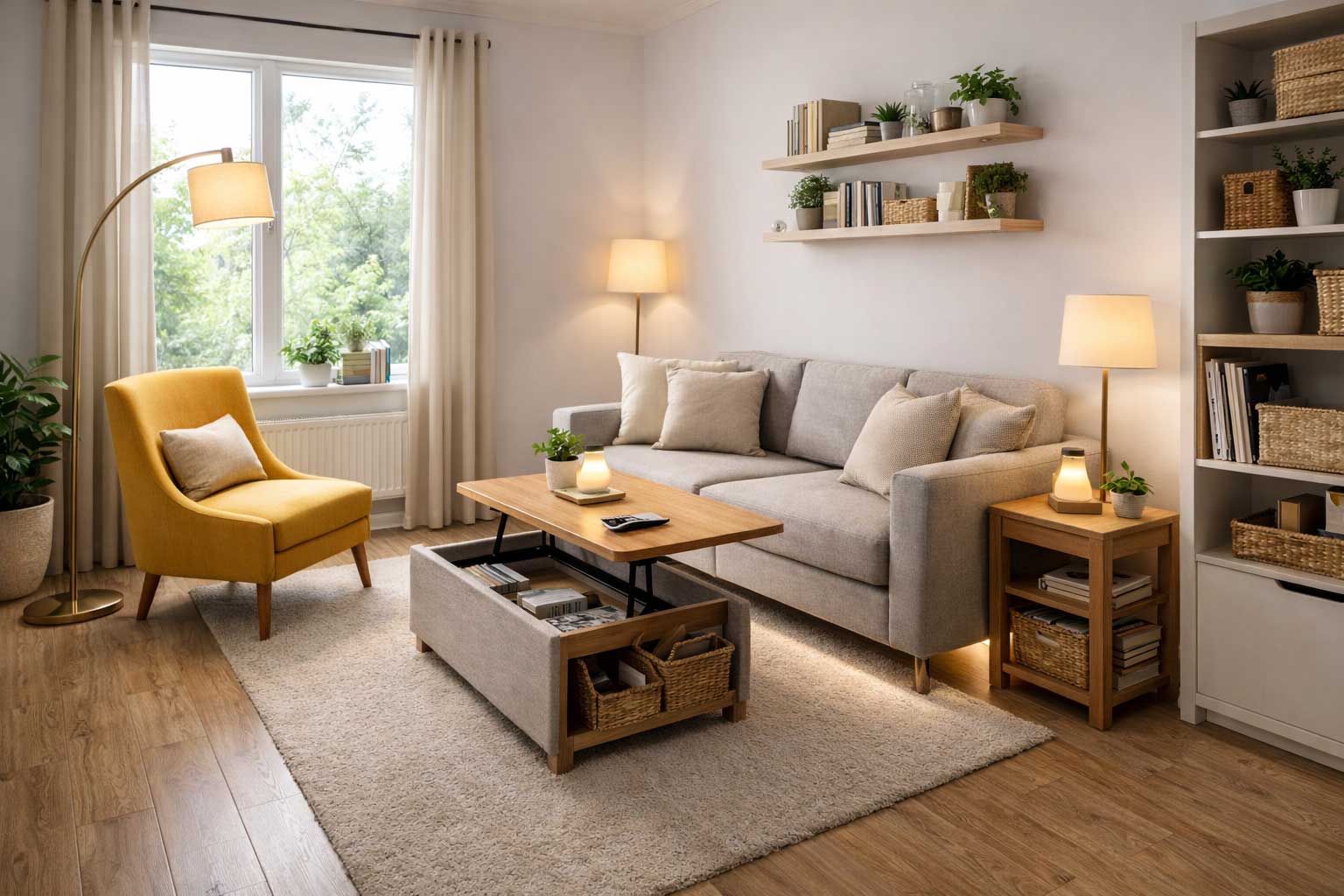

How to Choose Furniture for a Small Apartment
Choosing furniture for a small apartment requires careful planning to ensure that every piece serves a purpose without overwhelming the available space. Unlike larger homes where furniture placement can be more flexible, apartment layouts often require compact, multi-functional pieces that maximize both comfort and usability.
When furniture is too large or poorly arranged, small apartments can quickly feel cramped and difficult to navigate. However, selecting appropriately scaled furniture, prioritizing multi-functional designs, and maintaining open floor space can dramatically improve how an apartment feels and functions.
Modern furniture manufacturers now design many products specifically for small living environments, including apartment-sized sofas, foldable dining tables, storage beds, and compact desks. These pieces allow residents to enjoy the same comfort and functionality as larger homes while maintaining a layout that works within limited square footage.
This guide explores practical strategies for choosing furniture for a small apartment, including how to evaluate size, functionality, storage potential, and layout compatibility when furnishing compact living spaces.
Choose Appropriately Sized Furniture
One of the most important factors when selecting furniture for a small apartment is scale. Furniture that is too large can dominate a room, making the space feel crowded and reducing available walking areas.
Apartment-sized furniture is specifically designed to provide comfort while maintaining smaller dimensions. Sofas, chairs, and tables with slimmer profiles help maintain visual openness while still providing necessary functionality.
For example, residents looking for space-conscious seating may benefit from the ideas featured in Best Space-Saving Furniture for Small Apartments, which highlights compact furniture designs created for smaller living environments.
Sofas designed for apartments often measure under 80 inches in width, allowing them to fit comfortably in living rooms without blocking walkways or crowding other furniture pieces. These options are explored in Best Apartment-Size Sofas Under 80 Inches, which highlights models designed for compact living rooms.
By choosing furniture that matches the scale of the apartment, residents can maintain comfortable layouts without sacrificing usable space.
Prioritize Multi-Functional Furniture
Multi-functional furniture is one of the most effective ways to maximize usability in a small apartment. Furniture that serves multiple purposes reduces the need for additional pieces, which helps maintain a more open layout.
Sofa beds are a classic example of this concept. These versatile pieces function as comfortable seating during the day and transform into sleeping areas for guests at night. Residents interested in these options can explore the ideas featured in Best Sofa Beds for Small Spaces, which highlights several designs suited for apartment living.
Expandable dining tables also provide flexibility for small apartments. These tables remain compact for everyday use but can expand when additional seating is needed for guests. Our guide to Best Expandable Dining Tables for Apartments explores several options designed for compact dining areas.
Convertible seating options can also help maximize apartment functionality. Chairs that transform into sleeping surfaces or storage units provide additional versatility while minimizing the need for separate furniture pieces. These ideas are explored in Best Convertible Chairs for Small Spaces.
When furniture pieces perform multiple roles, small apartments can maintain functionality without becoming overcrowded.
Look for Furniture with Built-In Storage
Storage is often limited in apartment living, which makes furniture with built-in storage especially valuable. These pieces allow residents to store belongings within furniture itself, reducing the need for separate storage units.
Storage beds are particularly effective in small bedrooms because they utilize the large area beneath the mattress that would otherwise remain unused. These beds incorporate drawers or compartments that can store clothing, bedding, or seasonal items. Residents interested in this solution can explore ideas in Best Bed Frames with Storage for Small Apartments.
Living room furniture can also contribute to better storage organization. Storage ottomans, for example, provide seating or footrests while concealing interior compartments that store blankets or electronics. Our guide to Best Storage Ottomans for Small Apartments highlights several options designed for compact living rooms.
Even smaller furniture pieces such as nightstands can include drawers or shelves that provide additional storage. Residents interested in these compact solutions may benefit from the ideas featured in Best Small Space Nightstands.
By choosing furniture with built-in storage, apartment residents can keep their living areas organized while minimizing clutter.
Choose Furniture with Slim Profiles
Furniture with slim or minimalist profiles can help small apartments feel more open and visually spacious. Bulky furniture often makes rooms feel crowded, even when the actual floor space remains unchanged.
Pieces with thinner arms, narrow frames, and open bases create a lighter visual appearance that allows rooms to feel less congested. For example, slim console tables can provide storage or decorative display space without occupying significant floor area. Residents interested in these designs can explore ideas in Best Slim Console Cabinets.
Floating desks are another excellent example of slim furniture that maximizes space efficiency. These desks attach directly to walls, allowing residents to create workspaces without dedicating large areas to traditional desks. Our guide to Best Wall-Mounted Desks for Small Spaces highlights several compact desk designs.
Furniture with visible legs also helps create a sense of openness because the floor remains visible beneath the piece. This visual effect can make rooms feel larger than they actually are.
Choosing slim-profile furniture helps maintain an uncluttered appearance while preserving valuable floor space.
Consider Layout Flexibility
Small apartment layouts often require furniture arrangements that can adapt to different activities throughout the day. Furniture that is easy to move or rearrange provides valuable flexibility when living spaces must support multiple uses.
Modular furniture systems are particularly useful in this regard. Modular sofas allow individual sections to be rearranged to accommodate guests, entertainment setups, or different seating preferences. Residents interested in these adaptable seating solutions can explore the options featured in Best Modular Sofas for Small Living Rooms.
Lightweight furniture pieces also make it easier to adjust layouts when needed. Nesting tables, for example, can be separated for additional surface space or stacked together when not in use. Our guide to Best Nesting Tables for Small Living Rooms highlights several designs that support flexible living room layouts.
Foldable furniture can also improve layout versatility. Folding chairs or drop-leaf tables can be stored away when not needed, freeing up floor space for other activities.
By selecting furniture that adapts to changing needs, small apartments can remain functional and comfortable even with limited square footage.
Balance Functionality with Visual Simplicity
In small apartments, visual clutter can make rooms feel smaller than they actually are. Choosing furniture with clean lines and cohesive design styles helps maintain a more open and organized environment.
Neutral colors and simple shapes often work well in small spaces because they blend easily with surrounding décor rather than drawing excessive attention. Furniture that matches the overall style of the apartment also helps create a cohesive visual flow from room to room.
Residents looking to maintain simple layouts may benefit from the ideas featured in Best Multi-Functional Furniture for Small Apartments, which highlights furniture designed to combine practicality with minimalistic design.
Decorative accents such as throw pillows, plants, or wall art can then add personality to the room without overwhelming the overall layout.
By balancing functionality with visual simplicity, small apartments can feel comfortable, stylish, and well organized.
Final Thoughts
Choosing furniture for a small apartment requires thoughtful planning to ensure that each piece contributes to both functionality and comfort. By selecting appropriately sized furniture, prioritizing multi-functional designs, and incorporating built-in storage solutions, residents can create efficient living environments that make the most of limited space.
Slim furniture profiles, adaptable layouts, and cohesive design styles further enhance the usability of small apartments while maintaining a visually open atmosphere.
With the right combination of furniture choices and layout strategies, even compact apartments can feel comfortable, organized, and welcoming. Thoughtful furniture selection allows residents to enjoy fully functional living spaces without sacrificing valuable square footage.