How to Improve Lighting in a Small Apartment
Lighting plays a major role in how a small apartment feels and functions. Poor lighting can make compact spaces feel darker, more cramped, and less inviting, while well-planned lighting can make even the smallest apartment feel open, comfortable, and visually balanced.
Many apartments rely on a single overhead fixture in each room, which often fails to provide enough light for everyday activities such as reading, cooking, working, or relaxing. Improving lighting in a small apartment typically requires layering multiple types of lighting that work together to brighten the space while maintaining a comfortable atmosphere.
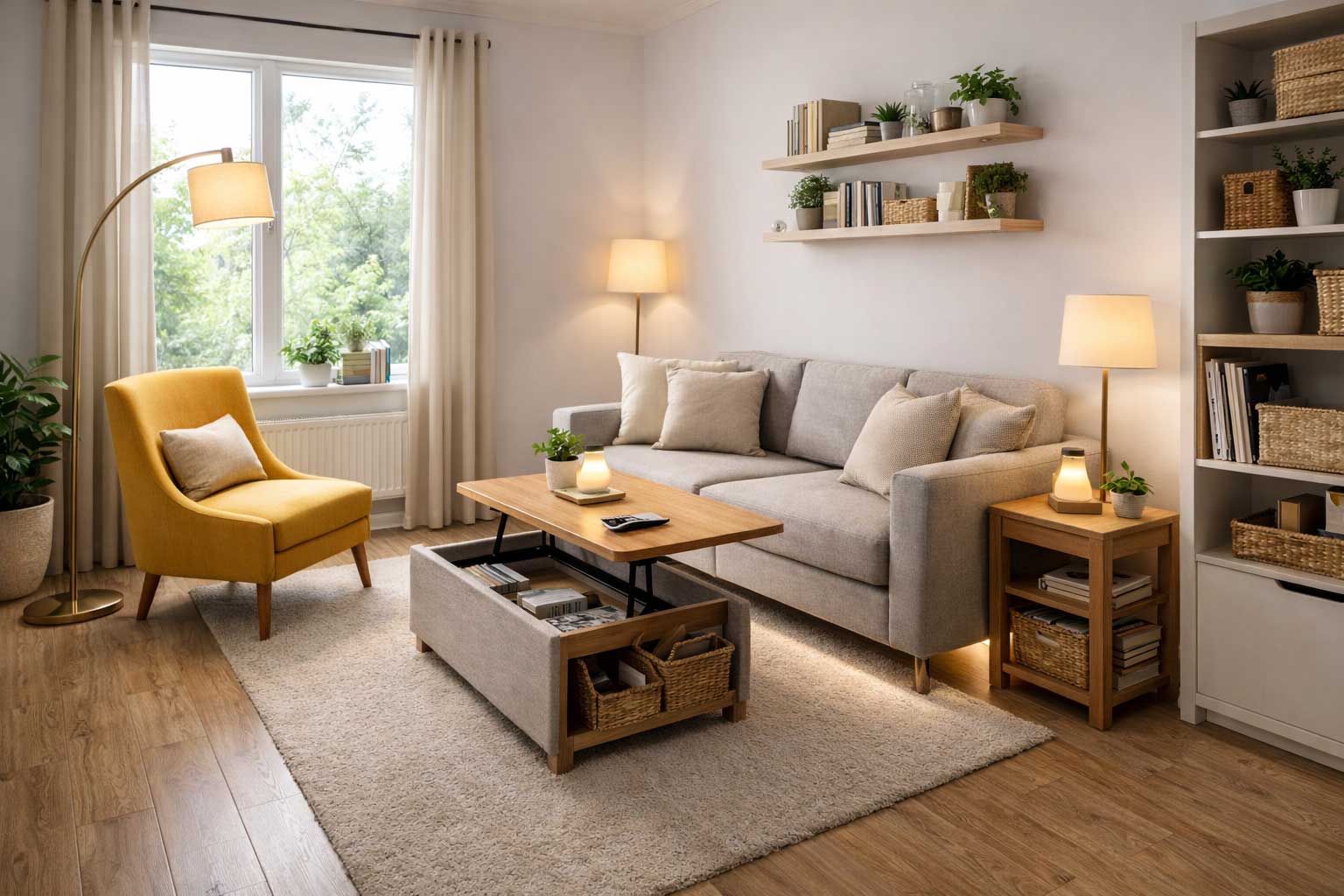
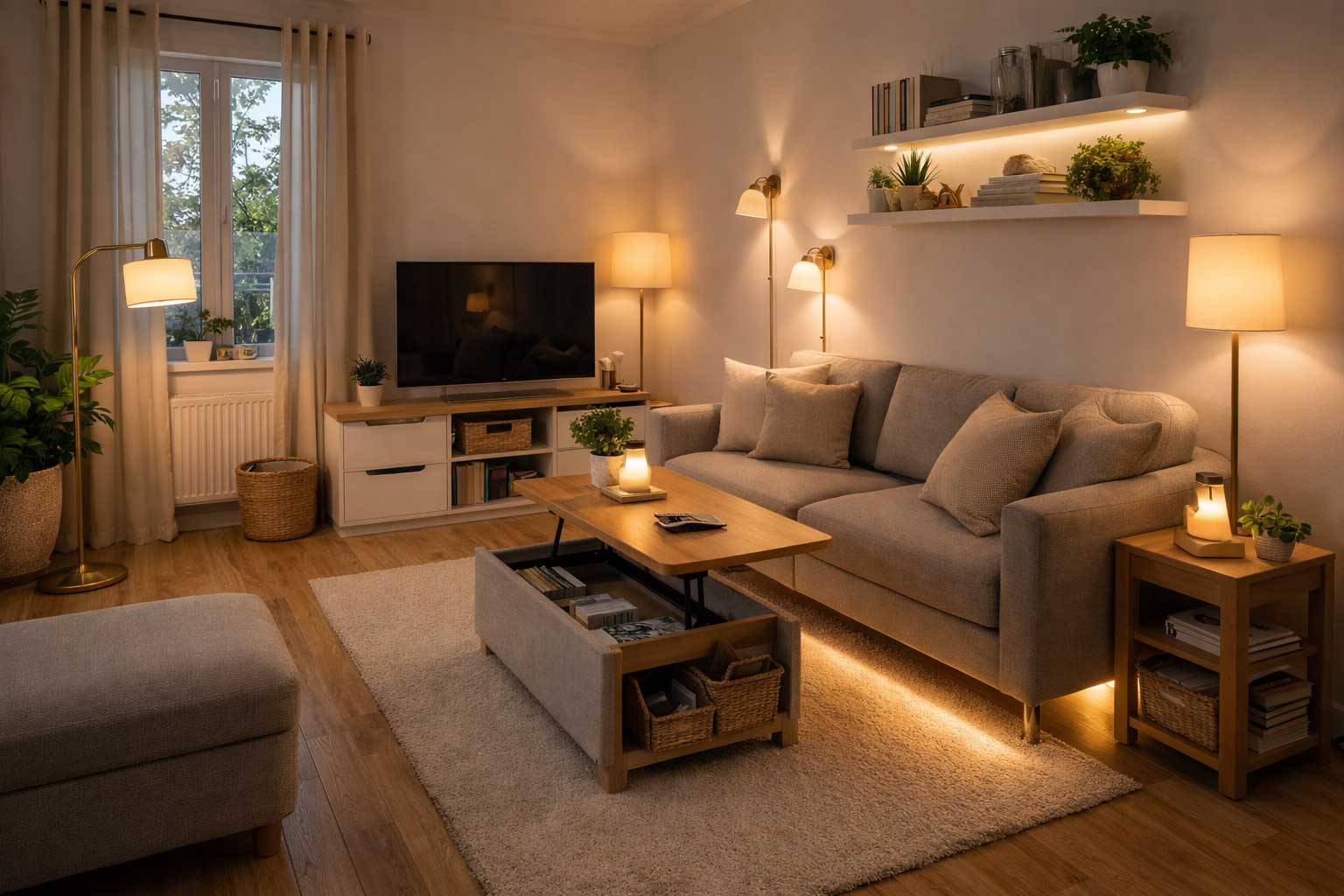
Effective apartment lighting usually combines ambient lighting, task lighting, and accent lighting to ensure that every area of the home is properly illuminated. By using a mix of floor lamps, table lamps, wall-mounted lights, and smart lighting solutions, small apartments can achieve both practical illumination and aesthetic appeal.
This guide explores several practical ways to improve lighting in a small apartment, including space-efficient lighting options that enhance brightness while maintaining a clean and uncluttered layout.
Start by Maximizing Natural Light
Before adding artificial lighting, it is important to take advantage of the natural light already available in the apartment. Natural daylight can make rooms feel larger, brighter, and more comfortable while reducing the need for additional lighting during the day.
One of the easiest ways to maximize natural light is to keep windows unobstructed whenever possible. Heavy curtains or bulky window coverings can block sunlight from entering the room, which can make the space feel darker than it actually is. Replacing thick curtains with lighter fabrics or sheer panels allows sunlight to filter through while still providing privacy.
Furniture placement also plays a role in how well natural light spreads throughout a room. Large pieces of furniture positioned directly in front of windows can block light from reaching the rest of the apartment. Rearranging furniture to keep windows clear allows sunlight to travel further into the living space.
Mirrors can also amplify natural light by reflecting sunlight across the room. When placed strategically across from windows, mirrors bounce light into darker corners and help distribute brightness more evenly.
Although natural light alone may not be enough to fully illuminate an apartment, maximizing daylight provides a strong foundation for improving overall lighting.
Use Layered Lighting Instead of a Single Light Source
Many apartments rely on a single overhead light fixture in each room, but this approach often leaves areas poorly lit while creating harsh shadows throughout the space. Layered lighting solves this problem by combining several light sources that work together to create balanced illumination.
The three main layers of lighting include ambient lighting, task lighting, and accent lighting. Ambient lighting provides general brightness for the entire room, task lighting focuses on specific activities such as reading or cooking, and accent lighting highlights décor or architectural features.
Floor lamps are one of the easiest ways to add ambient lighting without taking up much space. Residents looking for compact lighting options may benefit from the ideas featured in Best Floor Lamps for Small Apartments, which highlights models designed to brighten rooms without overwhelming small layouts.
Table lamps can also help distribute light evenly throughout living rooms and bedrooms. Our guide to Best Table Lamps for Small Apartments explores lighting options that fit comfortably on compact surfaces such as nightstands, side tables, or desks.
By layering multiple light sources, small apartments can eliminate dark corners and create a more balanced lighting environment.
Add Task Lighting for Everyday Activities
Task lighting focuses on areas where specific activities take place, such as reading, working, cooking, or applying makeup. Without dedicated task lighting, these activities can become difficult when the main room lighting is not bright enough.
Reading lamps are particularly useful in living rooms and bedrooms where residents often relax with books or electronic devices. Adjustable lamps allow users to direct light exactly where it is needed without affecting the rest of the room. Residents interested in focused reading lights can explore options in Best Reading Lamps for Small Apartments.
Desk lamps are another essential form of task lighting, especially for apartments that include home office setups. Our guide to Best Desk Lamps for Small Apartment Offices highlights compact lamps that provide strong illumination for workspaces while maintaining a small footprint.
In kitchens, task lighting can improve food preparation areas by illuminating countertops and cooking surfaces. Solutions such as those featured in Best Under-Cabinet Lighting for Small Kitchens provide targeted lighting without taking up valuable counter space.
By incorporating task lighting throughout the apartment, residents can ensure that each area is properly illuminated for its intended purpose.
Use Wall-Mounted Lighting to Save Space
In small apartments where floor space is limited, wall-mounted lighting provides an excellent way to add illumination without crowding surfaces or walkways. Wall lights can replace table lamps or floor lamps in tight areas while still delivering effective lighting.
Plug-in wall sconces are a popular option for renters because they do not require permanent electrical installation. These fixtures plug into standard outlets and can easily be mounted near beds, sofas, or desks. Our guide to Best Plug-In Wall Sconces for Apartments highlights several models designed specifically for apartment living.
Adjustable wall lamps provide even greater flexibility by allowing light to be directed toward specific areas. Residents looking for versatile lighting solutions can explore the options featured in Best Adjustable Wall Lamps for Apartments, which include swing-arm and pivoting designs that adapt to different lighting needs.
Bedrooms can also benefit from wall-mounted reading lights installed near the headboard. These lights provide focused illumination for nighttime reading while freeing up space on bedside tables. For examples of these designs, see Best Wall-Mounted Reading Lamps for Bedrooms.
By moving lighting fixtures onto walls, small apartments can maintain clear surfaces while still providing effective illumination throughout the space.
Use Accent Lighting to Improve Atmosphere
Accent lighting adds depth and atmosphere to an apartment by highlighting certain areas or creating softer ambient illumination. While ambient and task lighting focus on functionality, accent lighting helps create a comfortable and visually appealing environment.
LED strip lights are one of the most popular accent lighting options for small apartments. These flexible lights can be installed behind televisions, under shelves, or along ceilings to create subtle background illumination. Residents interested in this type of lighting can explore ideas in Best LED Strip Lighting for Apartments.
Corner lighting is another way to enhance the atmosphere of a room while improving overall brightness. Placing a lamp or LED light in a corner helps distribute light across two walls, which reduces shadows and creates a more balanced lighting environment. Our guide to Best Corner Floor Lamps for Small Living Rooms explores lighting options designed specifically for this purpose.
Ambient lighting devices such as projection lamps or mood lighting systems can also enhance apartment interiors by introducing color and visual interest. These lighting styles are explored in Best Ambient Lighting for Small Apartments, which highlights several options for creating relaxing lighting environments.
Accent lighting helps small apartments feel more layered and visually dynamic while complementing the primary lighting sources.
Use Smart Lighting to Control Brightness and Color
Smart lighting technology provides additional flexibility for improving lighting in small apartments. Smart bulbs and lighting systems allow residents to adjust brightness levels, color temperatures, and lighting schedules using smartphone apps or voice assistants.
One advantage of smart lighting is the ability to change lighting conditions based on the time of day. Cooler white light may be ideal for working or cooking during the day, while warmer light creates a relaxing atmosphere in the evening.
Residents looking to upgrade their apartment lighting with smart features can explore ideas in Best Smart Lighting for Apartments, which highlights lighting systems designed for convenient control and customization.
Dimmable lighting also plays an important role in improving apartment comfort. Being able to reduce brightness at night helps create a calmer environment while preventing harsh lighting late in the evening. Our guide to Best Dimmable Lamps for Small Apartments explores several lighting options designed for adjustable brightness.
With smart lighting systems, residents can adapt apartment lighting to different activities, moods, and times of day.
Final Thoughts
Improving lighting in a small apartment involves more than simply adding brighter bulbs. Effective lighting combines natural light, layered lighting sources, and space-efficient fixtures that work together to create balanced illumination throughout the home.
Floor lamps, table lamps, wall-mounted lights, and task lighting all play important roles in improving visibility and comfort while maintaining a clean apartment layout. Accent lighting and smart lighting systems further enhance the atmosphere while providing additional control over brightness and color.
By combining these lighting strategies, small apartments can feel brighter, more spacious, and more comfortable without requiring major renovations or complicated installations.
With thoughtful lighting choices, even compact apartments can achieve a warm and inviting environment that supports both everyday activities and relaxation.