How to Turn a Closet or Alcove Into a Small Apartment Workspace
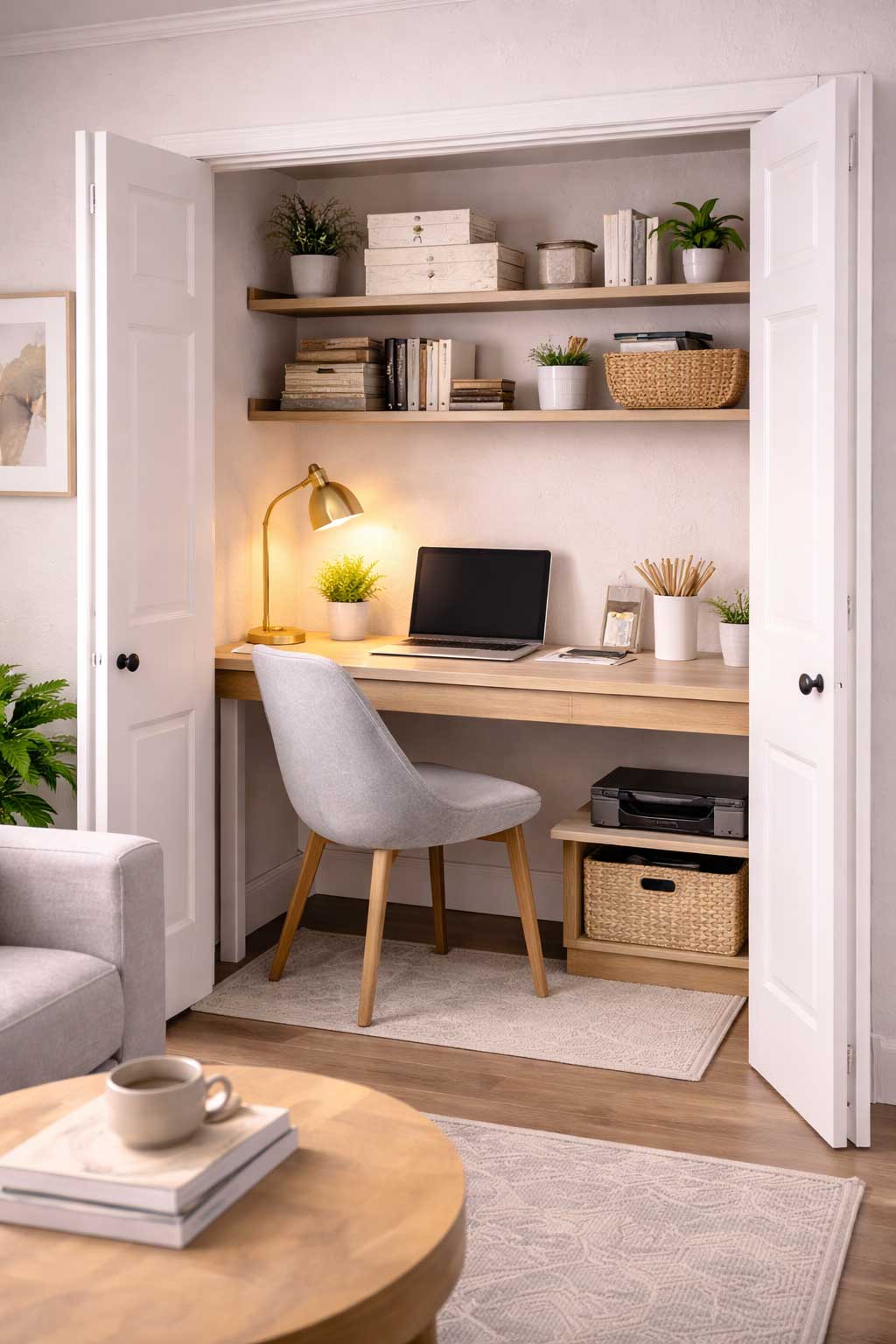
Turning a closet or alcove into a small apartment workspace can be one of the smartest ways to create a dedicated office zone without giving up an entire room. A shallow nook, unused closet, recessed wall section, or awkward corner can become surprisingly useful when it is planned well. The challenge is not just fitting a desk into a tight spot. It is making that small area feel functional enough for real work without making it cramped, dark, or cluttered.
The good news is that closets and alcoves often make excellent work zones because they already create natural separation from the rest of the apartment. In most small homes, the best setup comes from choosing the right desk footprint, using vertical storage carefully, and giving the workspace enough lighting and organization to support your daily routine. With the right approach, even a small tucked-away area can become a practical place to work.
For broader strategies on fitting work into a small home, explore our How to Fit a Home Office Into a Small Apartment Without a Separate Room guide.
If you need help organizing the workspace itself, check out How to Organize a Small Apartment Home Office.
For desk options that work in tighter footprints, browse Best Office Desks for Small Apartments.
This guide is part of our Small Apartment Office Solutions collection.
Quick Answer
If you want to turn a closet or alcove into a small apartment workspace, the best approach is to treat the area like a real office zone with the right-size desk, strong lighting, and tightly controlled storage. In most apartments, that means using a compact desk or work surface, adding vertical organization without overcrowding the walls, and making sure the setup supports your actual work needs instead of just looking clever.
A good closet-or-alcove workspace usually works best when it includes:
- a desk or surface sized to the exact footprint
- enough lighting for daily work
- storage that uses height without crowding the area
- a chair and setup that still feel comfortable for real use
- a layout that keeps the nook organized instead of overstuffed
Why Closets and Alcoves Can Work So Well as Small Apartment Offices
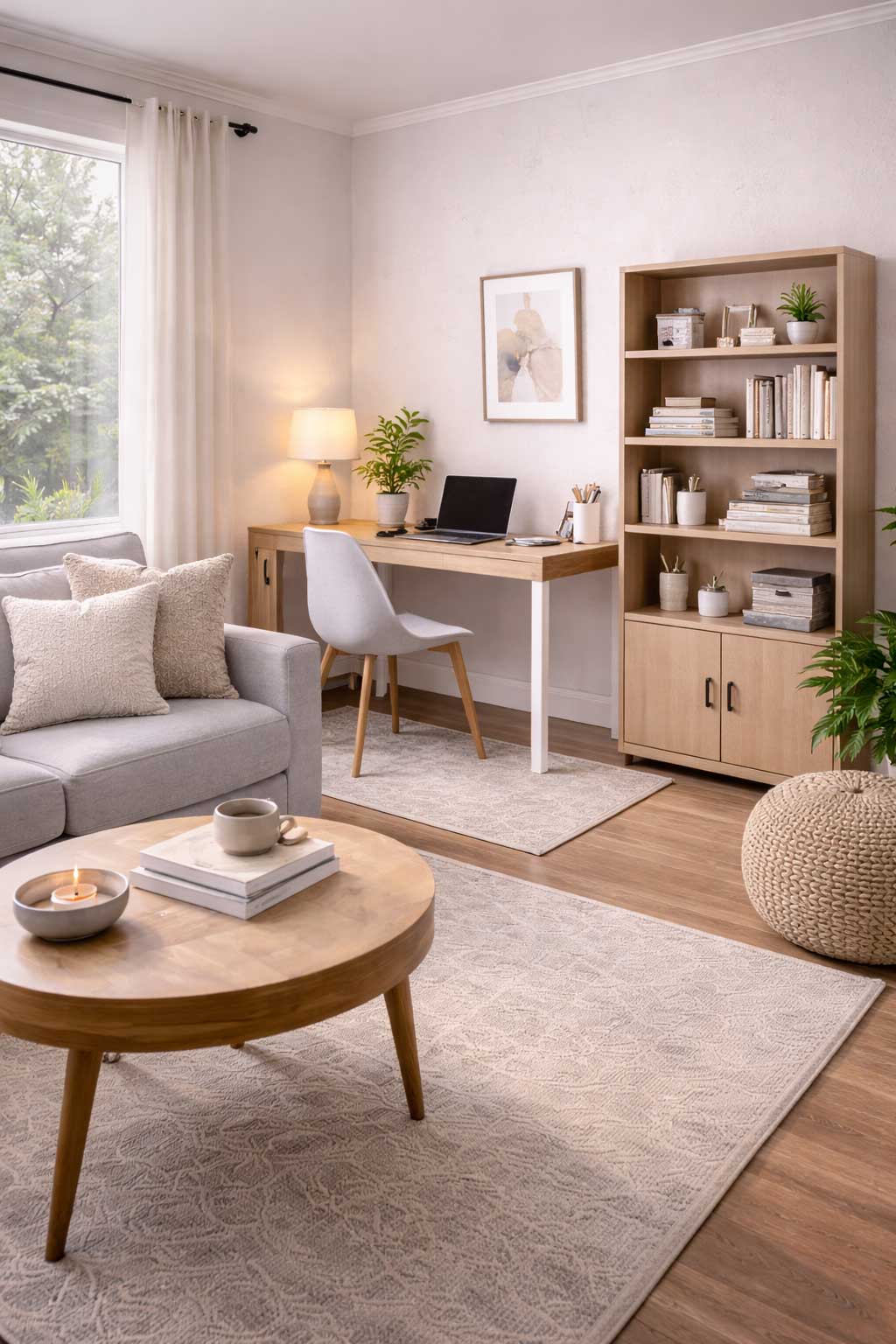
Closets and alcoves often work better as offices than open corners because they already create a built-in sense of separation. Even a shallow recessed area gives work a natural boundary. That makes it easier for the workspace to feel intentional instead of like a desk that was squeezed into the middle of a room.
This matters a lot in a small apartment. When the desk sits out in the open, office gear tends to spill onto nearby surfaces and work can start visually taking over the room. A closet or alcove helps contain that spread. The walls or recessed edges give the office a real footprint, which makes it easier to keep the rest of the apartment feeling like living space instead of overflow work territory.
These tucked-away areas can also make focus easier. Even when the nook is small, it often feels more like a dedicated place to work because the boundaries are clearer. In a small home, that kind of separation can make the workday feel more structured without needing a separate room.
Start by Measuring the Space and Defining What the Workspace Actually Needs
Before choosing furniture, it helps to get very clear on both the size of the space and the kind of work it needs to support. Some people only need room for a laptop, charger, and notebook. Others need a monitor, keyboard, task lamp, paperwork storage, and maybe even a printer nearby. A closet office that works for one person may feel unusable for someone else if the actual work needs are different.
Measure the width and depth of the nook, but do not stop there. Check chair clearance, leg room, outlet placement, baseboards, and whether closet doors need to stay functional. If it is a true closet, think about how door swing affects the setup. If it is an alcove, think about whether the desk will interrupt foot traffic or nearby furniture placement.
This step matters because small work zones do not tolerate guesswork well. A desk that is a few inches too deep can ruin the whole setup. A chair that cannot slide back comfortably can make the area feel frustrating every day. The more precisely the workspace is planned, the more likely it is to feel usable long-term.
Choose the Best Desk or Work Surface for a Closet or Alcove
The desk should fit the space exactly, not almost. In a small nook, “close enough” usually means too bulky, too cramped, or hard to use comfortably.
Compact desks work well in shallow alcoves where you need a true work surface without giving up too much depth. Narrow writing desks are often a strong choice for recessed wall sections because they provide a cleaner footprint and often feel lighter visually than bulkier office furniture.
Floating work surfaces can make sense in especially tight closet setups, particularly when the floor area is limited and the goal is to keep the nook feeling more open. These work best when installed at the right height and when there is still enough knee space and chair clearance to sit comfortably. Desks with built-in drawers are especially useful when the nook has very little room for extra storage furniture. In a tight footprint, built-in storage often works much better than adding a separate filing piece nearby.
The key is choosing a work surface that supports the work without overwhelming the nook. A closet or alcove office works best when the desk fits cleanly and still leaves enough breathing room around it to feel usable.
Best Closet and Alcove Workspace Setups for Common Small Apartment Layouts
If you are turning a bedroom closet into an office, the best setup usually comes from using a compact desk, strong task lighting, and tighter storage boundaries. In this kind of layout, the office often needs to disappear more after hours, so the setup usually works best when clutter is especially controlled.
If the workspace is going into a living room alcove, the biggest benefit is usually visual separation. The recessed shape already helps define the office zone, so the goal is often to furnish it in a way that supports that structure without letting the work setup overflow into the rest of the room.
If you are using a hallway nook, depth and traffic flow matter most. In these layouts, the desk needs to stay especially shallow and the setup needs to avoid making the walkway feel blocked or awkward. A simple desk and carefully chosen storage usually work better than trying to force too much into the space.
If you live in a studio apartment with a recessed wall office, the nook often becomes the main dedicated work zone. In that case, it usually makes sense to give it a stronger setup with better lighting and more intentional storage because the apartment depends on that space doing its job well.
If the closet office has doors that can close after work, that can be one of the strongest advantages of all. A closable setup makes it easier for the apartment to shift visually out of work mode, which can make a small home feel much more balanced.
Use Vertical Storage Without Making the Workspace Feel Boxed In
Vertical storage is one of the best ways to make a small nook office work, but it has to be used carefully. Shelves, pegboards, wall organizers, and cabinets can add a lot of function in a tight footprint. At the same time, too much storage on every wall can make the nook feel smaller and more closed in.
The best setups usually use vertical storage selectively. One or two floating shelves above the desk can be enough for books, office supplies, or decorative structure. A pegboard may work well if the tools you use really benefit from staying visible. A small cabinet above or beside the desk can help when you need hidden storage, but only if it does not make the area feel too heavy.
What usually does not work is treating every inch of wall as storage space. In a small closet or alcove, open wall area matters too. Leaving some visual breathing room helps the workspace feel lighter and easier to sit in for longer stretches.
If you need more wall-based support above the desk, browse Best Floating Shelves for Small Apartment Offices.
Make Lighting Strong Enough So the Workspace Feels Usable
Lighting is one of the most overlooked parts of these setups, especially in closets. A workspace can look smart on paper and still feel unusable if the lighting is weak. Many closets have no natural light and some alcoves are set back far enough that nearby room lighting is not enough to support focused work.
A good task lamp is often the first thing that makes the space feel like a real office. In some layouts, overhead lighting may need improvement too, especially if shadows hit the desk surface or screen. If the nook has natural light, placement matters. The desk should use that light well without creating glare that makes work harder.
This is one of the biggest differences between a setup that is merely clever and one that is actually functional. A closet or alcove office needs to support real daily use, not just fit inside the footprint. Good lighting is what helps the space feel practical instead of improvised.
If ergonomics are also part of the challenge in a small footprint, revisit How to Set Up an Ergonomic Desk in a Small Apartment.
Keep the Workspace Organized So the Small Footprint Still Feels Functional
Small nooks stop working when they become storage dumps. Papers pile up, chargers spread across the desk, pens gather in random cups, and the little surface you do have disappears under office clutter.
That is why organization matters even more in a closet or alcove office than in a larger workspace. A few drawers, grouped shelf bins, a desktop organizer, or one defined supply tray can make a huge difference. The goal is to keep only the things you actually use in the nook and to make sure those items have a clear home.
This is especially important because a small office does not have much forgiveness. In a bigger room, clutter can spread without instantly ruining the workspace. In a tight nook, a little mess changes the whole feel of the setup right away. Controlled storage helps the workspace stay usable and makes it much easier to reset at the end of the day.
If your desk needs more support around it, check out How to Create More Storage Around a Small Apartment Desk.
Make the Workspace Comfortable Enough for Real Work
A nook office only works if it is comfortable enough to use for actual work. A setup that technically fits but feels awkward after twenty minutes will not hold up well, no matter how neat it looks.
Chair choice matters here. The chair needs to fit the footprint but still support the kind of work you do. Desk height matters too. If the work surface sits too high or too low, the nook will become tiring quickly. Screen placement is important as well, especially in tight spaces where monitors or laptops can end up sitting at uncomfortable angles just to make them fit.
This is where many small offices fall short. They succeed visually but not functionally. In a small apartment, comfort is part of what makes the setup worth having at all. Even a tiny workspace should still allow you to sit, focus, and work without feeling cramped the entire time.
Mistakes to Avoid When Turning a Closet or Alcove Into a Workspace
One common mistake is choosing a desk that is too deep. Even if it technically fits, it can leave the nook feeling cramped and hard to use. Another mistake is ignoring lighting. A dark closet office will almost always feel more frustrating than expected once you actually start working there.
Overloading the walls with shelves or storage is another easy way to make the area feel boxed in. These spaces need function, but they also need some openness. Treating the nook like a dumping ground for office clutter is another mistake. Because the footprint is small, clutter builds visual pressure very quickly.
Finally, many people forget about chair clearance and leg room. A workspace that looks good from the front but feels awkward to sit in is not really a successful office. The setup has to work in real life, not just in theory.
Products That Make a Closet or Alcove Workspace Easier to Set Up
The best products are the ones that support the footprint instead of fighting it. Some nooks work best with compact desks and one or two floating shelves. Others need built-in drawer storage because there is no room for anything else. In darker closets, strong task lighting may matter more than extra storage. In tighter alcoves, a monitor stand or desktop organizer can make the desk much more useful without increasing its footprint.
The right setup depends on the space and the type of work you do. In most small apartments, the best nook offices feel clean, purposeful, and realistic. They use a few strong pieces well instead of trying to force a full-size office into a tiny footprint.
Final Thoughts on Turning a Closet or Alcove Into a Small Apartment Workspace
A closet or alcove can become one of the best work areas in a small apartment because it already gives the office a natural boundary. When the desk fits the space, the lighting supports the work, and the storage stays controlled, even a small tucked-away area can feel surprisingly functional.
The strongest setups usually come from a few smart choices: measure carefully, keep the footprint realistic, use vertical storage without overloading the walls, and make sure the nook is comfortable enough to use for real work. When those pieces come together, the workspace feels more intentional and the rest of the apartment stays easier to protect from work spillover.
The goal is not just to fit a desk into a closet or alcove. It is to create a work zone that actually earns its place in the apartment.
FAQ
Can you turn a closet into a home office in a small apartment?
Yes, a closet can work well as a home office in a small apartment if it has enough width, depth, lighting, and chair clearance to support the type of work you actually do.
What desk works best in a closet office?
The best desk for a closet office is usually a compact or narrow desk that fits the footprint closely without taking up too much depth or leaving too little leg room.
How do you make an alcove workspace feel less cramped?
Make an alcove workspace feel less cramped by using a desk that fits the space properly, limiting wall storage, improving lighting, and keeping the work area organized so clutter does not build up.
What kind of lighting do you need in a closet workspace?
A closet workspace usually needs strong task lighting and, in many cases, better overhead light too, because closets often do not get enough natural light to support daily work comfortably.
How do you organize a very small nook office?
Organize a very small nook office by keeping only the essentials in the space, using a few well-chosen vertical storage pieces, and giving supplies, tech, and paperwork clear homes so the desk stays usable.