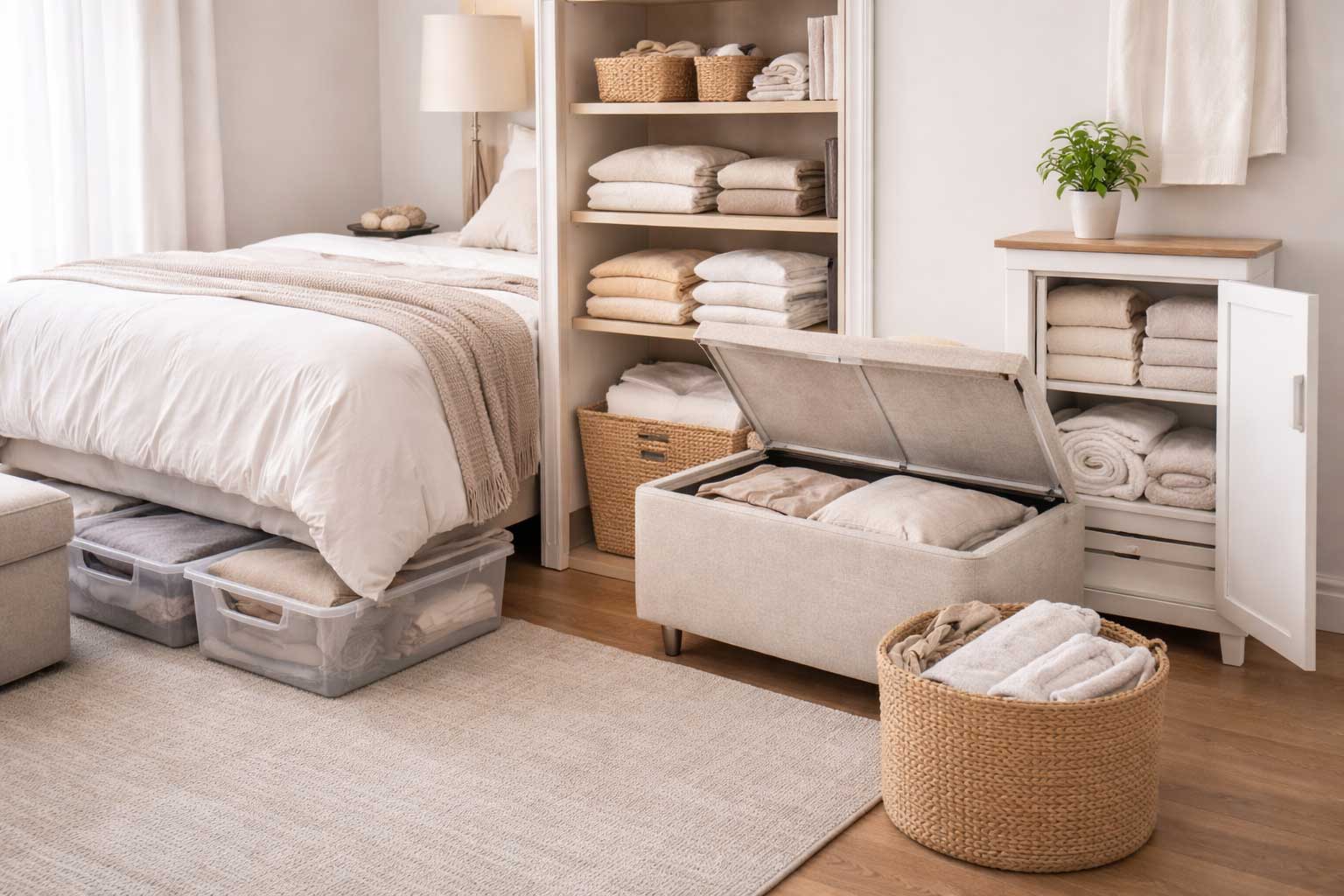
How to Store Cleaning Supplies in a Small Apartment
Cleaning supplies can be surprisingly hard to store in a small apartment. Sprays, wipes, sponges, trash bags, gloves, brushes, paper towels, and refill bottles all take up more space than expected, especially when there is no laundry room, utility closet, or extra cabinet to absorb the overflow. In many apartments, these items end up stuffed under the sink, piled into bathroom cabinets, or scattered between kitchen and bathroom storage zones in a way that feels messy and inconvenient.
The good news is that cleaning supplies do not need a huge dedicated storage room to stay organized. The key is to group them by type, keep the most-used items easy to reach, and use hidden storage more intentionally so supplies stop drifting into random corners of the apartment. With the right setup, even a small apartment can keep cleaning supplies accessible without making the kitchen, bathroom, or closet feel more cluttered.
For under-sink storage ideas, start with Best Under-Sink Storage Solutions for Small Spaces.
If you need bathroom-friendly overflow storage, check out Best Bathroom Storage Solutions for Small Apartments.
For general small-space organization support, see Best Storage Solutions for Small Apartments.
This guide is part of our Organization Storage collection.
Why Cleaning Supplies Get Hard to Store in a Small Apartment
Cleaning supplies become a storage problem quickly because they include more categories than people usually expect. It is not just one spray bottle and a sponge. It is kitchen cleaner, bathroom cleaner, glass spray, disinfecting wipes, toilet tools, microfiber cloths, trash bags, gloves, scrub brushes, refill bottles, and backup paper products. Once all of those items start sharing a few small cabinets, the apartment can feel cluttered fast.
The lack of a true utility zone makes this even harder. In a house, some of these items might live in a laundry room, garage, mudroom, or utility closet. In a small apartment, those spaces usually do not exist. That means the same kitchen and bathroom cabinets that already have important daily jobs now have to absorb cleaning storage too.
Mixed storage makes the whole system worse. When bathroom products are mixed with kitchen sprays, and bulk refills are shoved in with everyday cleaners, the result is not just visual clutter. It also makes it harder to clean efficiently because the supplies you need most are buried inside products you barely use.
Start by Separating Cleaning Supplies by Use and Frequency
The best cleaning-supply setup starts with knowing what actually deserves prime space. Some products are used constantly, while others are backup items or occasional-use supplies that do not need the most convenient location in the apartment. In a small space, that difference matters.
Everyday sprays, sponges, wipes, and common tools should stay easiest to reach. These are the products you use for quick wipe-downs, daily kitchen cleanup, bathroom touch-ups, and normal apartment maintenance. Backup refills, duplicate products, and bulk paper goods can move into less prime storage because they are not part of the daily routine.
It also helps to separate by room and function. Kitchen cleaning supplies should not be living in the same mixed pile as toilet cleaner and shower products. Once you split kitchen, bathroom, and general cleaning categories into clearer groups, the whole apartment starts feeling easier to maintain because every item is closer to the area it actually supports.
Use Under-Sink Storage More Intentionally
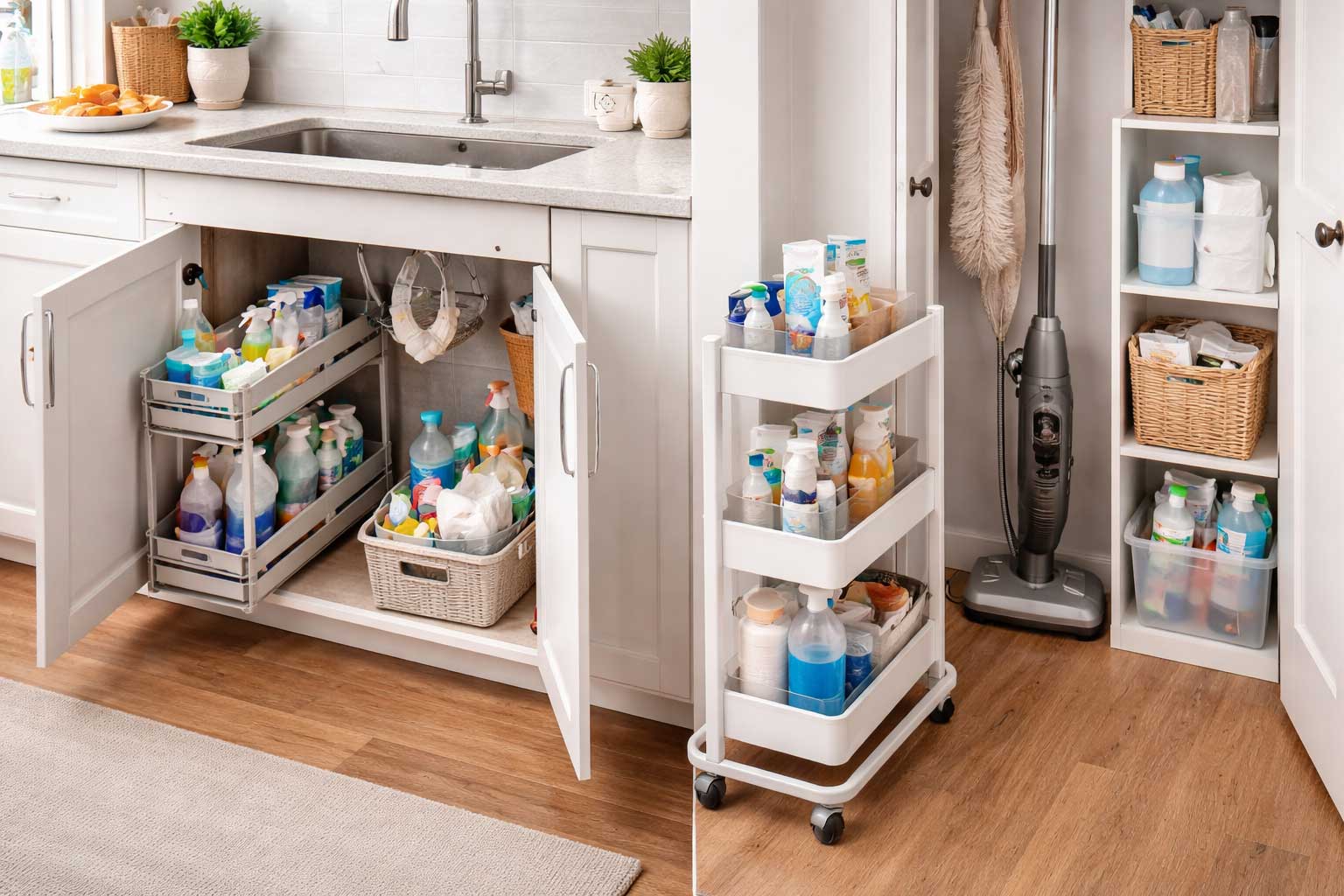
Under-sink space is usually the most logical place for daily-use cleaning supplies, but it only works well when the categories inside it are structured. Otherwise, it quickly becomes a deep catch-all where spray bottles tip over, sponges disappear, and trash bags get stuffed behind other items.
That area works best when categories are separated instead of dumped into one large bin. Kitchen cleaner, dish supplies, trash bags, and small daily-use tools should each have more defined placement so the cabinet feels usable instead of chaotic. If your sink cabinet needs a better layout, revisit How to Organize Under-Sink Space in a Small Apartment for ideas that make this zone much easier to manage.
A good under-sink setup should let you reach the most-used items quickly without dragging out everything else first. In a small apartment, this matters a lot because under-sink space usually has to do more than one job. The more structure it has, the easier the whole kitchen or bathroom feels.
Use Bathroom and Kitchen Storage Zones for the Right Supplies
Cleaning supplies usually work better when they stay close to the room they support. A small apartment often functions more smoothly with a distributed storage system instead of trying to force every cleaner into one overcrowded cabinet somewhere in the middle of the home.
Bathroom cleaning supplies usually belong near the bathroom, especially the products used for the sink, mirror, toilet, and shower. If that room needs stronger support, browse Best Bathroom Storage Solutions for Small Apartments for storage ideas that can handle daily products more cleanly.
Kitchen cleaning supplies usually make the most sense near the sink, dish area, or trash zone because those are the places where they are needed most often. When each room keeps its own core products nearby, cleaning becomes faster and the apartment feels less like supplies are drifting everywhere. A distributed system is often more realistic in a small apartment than trying to create one overloaded “cleaning closet” that does not really exist.
Use Carts, Cabinets, and Hidden Storage for Overflow Supplies
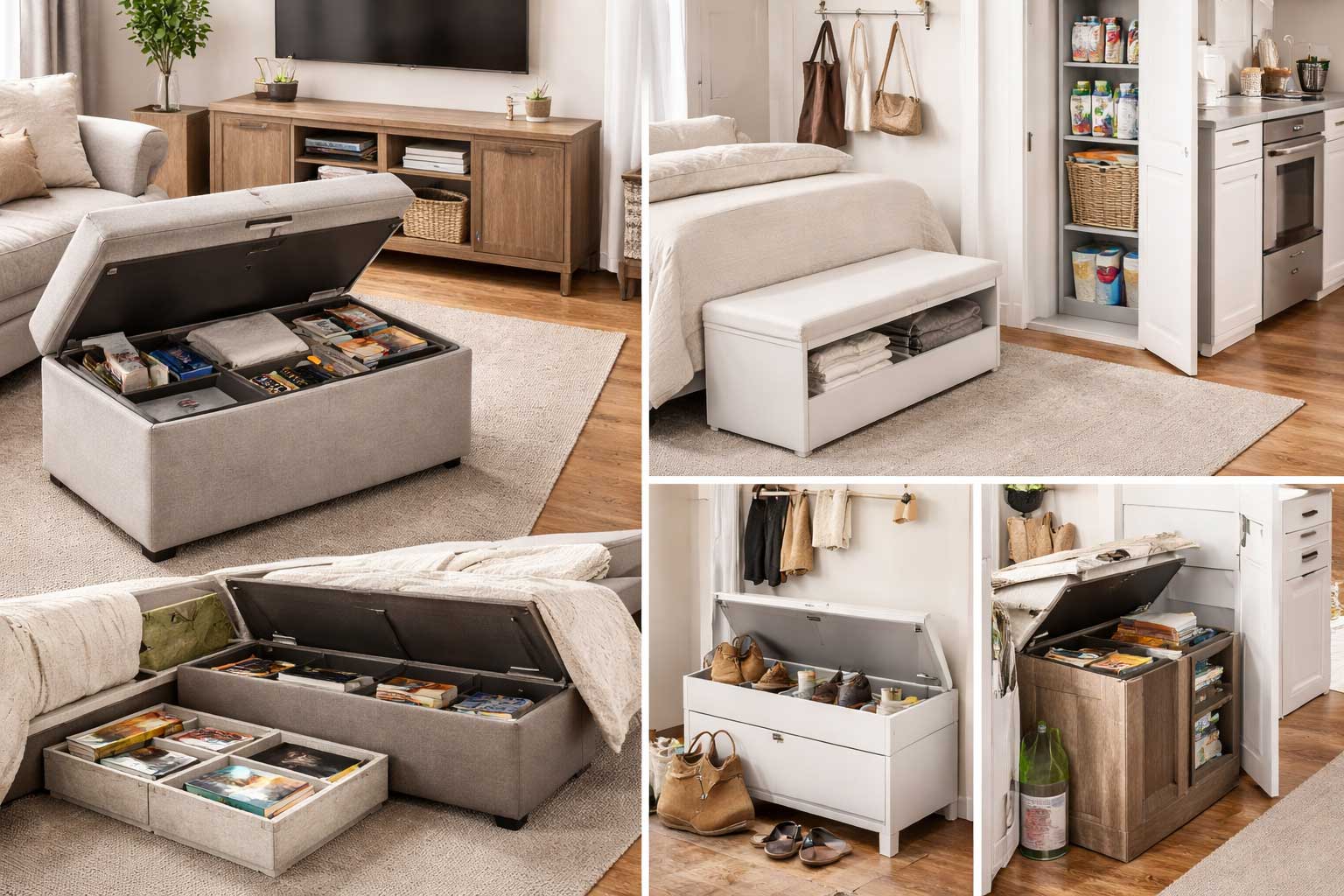
When built-in cabinets are not enough, carts and small hidden-storage pieces can make a big difference. They give you somewhere to store extra cleaning products without forcing every bottle and refill into already crowded kitchen and bathroom cabinets.
A slim rolling cart can work well for overflow bathroom or utility-style storage, especially if the apartment has an awkward narrow gap or unused corner. If you need a smaller flexible option, check out Best Bathroom Rolling Carts for Small Spaces. Closed cabinets can also help because they keep supplies out of sight, which matters a lot in apartments where open clutter is felt immediately.
The best overflow storage should stay accessible without sitting right in the middle of daily life. That means the supplies are easy enough to restock and grab when needed, but they are not visually taking over the room. In a small apartment, that balance makes hidden storage feel much more effective than open bins full of mixed bottles.
Store Tools and Bulkier Cleaning Items Separately
Cleaning tools and bulk items usually need a different storage system than sprays and wipes. Paper towels, scrub brushes, refill jugs, gloves, dusters, and trash bags take up more space and often do not store well in the same cabinet zones as daily-use products.
Bulk refills are one of the biggest space-wasters when they crowd out daily storage. They are important to keep, but they usually do not need the most accessible location. A separate shelf, cabinet, or stacked bin often works much better. If you need extra support for these larger categories, take a look at Best Stackable Storage Bins for Small Spaces.
Separating these items helps in two ways. It keeps your everyday cleaning zone from getting overloaded, and it also makes restocking easier because the backup products have a clearer home. In a small apartment, that kind of separation makes cleaning feel less annoying because the supplies you actually use are no longer fighting for space with everything else.
Keep Hazardous or Messy Supplies Contained
Some cleaning products need more controlled storage than others. Leak-prone bottles, stronger cleaners, bleach-based products, and anything that tends to drip or create residue should be stored upright and contained so they do not turn a cabinet into a mess.
Contained storage helps a lot here because it makes spills easier to catch and easier to clean up before they spread through the whole cabinet. A tighter storage system also makes it easier to see what you have, notice leaks early, and avoid digging around blindly through chemical products. If you need stronger enclosed support for those categories, browse Best Cabinet Storage Solutions for Small Apartments.
This is another reason why category control matters. The more clearly the stronger or messier products are grouped, the easier it is to manage them safely and practically. In a small apartment, good storage is not just about neatness. It is also about keeping the supplies easier to monitor and maintain.
Make the Cleaning Supply System Easy to Reset
A cleaning-supply system works best when it is easy to put back in order after use. If products get shoved back randomly every time you clean, the whole setup will slowly fall apart until the cabinets feel chaotic again. That is why a simple reset matters just as much as the initial organization.
Every category should have an obvious home. Kitchen sprays should go back in one place, bathroom products in another, refills in another, and tools in another. The more obvious those homes are, the easier it becomes to maintain the setup without thinking too hard about it.
This also makes restocking easier. When you can see what belongs where, you are less likely to buy duplicates or let clutter build from partly used products. If your apartment still feels weighed down by too many miscellaneous categories overall, revisit How to Declutter a Small Apartment Fast for a helpful reset mindset that pairs well with supply organization.
Common Mistakes That Make Cleaning Supply Storage Harder
One of the biggest mistakes is trying to store every cleaning product in one overstuffed spot. That usually sounds efficient, but in practice it often makes supplies harder to reach and harder to keep sorted. Another common issue is keeping too many duplicates in a small apartment, especially when limited cabinets are already under pressure.
Mixing kitchen, bathroom, and general cleaning supplies together is another problem because it creates friction every time you need to find one product. Letting refills and bulk items crowd daily-use storage makes things even worse, since the products you actually need end up buried behind larger backup containers.
The best setups usually stay simple. They keep daily-use items accessible, distribute categories room by room when that makes sense, and avoid letting overflow products take over the best storage zones.
Best Features to Look for in Cleaning Supply Storage for Small Apartments
When choosing cleaning-supply storage for a small apartment, hidden storage capacity should be one of the first priorities. Cleaning products almost always feel better when they are out of sight, especially in kitchens and bathrooms where visual clutter builds fast.
Easy access for daily-use products matters just as much. Good storage should make it easier to clean, not harder. Compact footprints are also important because support pieces need to fit narrow bathrooms, tight kitchens, or awkward closet zones without getting in the way.
Category separation is another major advantage. The best storage keeps supplies grouped by function so everything does not collapse into one mixed cabinet pile. Apartment-friendly flexibility is what ties it together. The most useful systems adapt to the layout you actually have rather than assuming a dedicated utility room exists.
Final Thoughts on Storing Cleaning Supplies in a Small Apartment
Cleaning supplies can absolutely be stored neatly in a small apartment, but the system works best when it relies on category separation, hidden zones, and smarter room-by-room placement. The goal is not to create one giant cleaning cabinet. It is to give each type of supply a practical home that matches how often and where it is actually used.
When under-sink areas are more structured, kitchen and bathroom products stay closer to their rooms, and overflow supplies are moved into better hidden storage, the whole apartment feels easier to maintain. Instead of scattered bottles and messy cabinets, you get a setup that supports quick cleaning and better resets.
That is what makes the biggest difference in a small apartment. Good cleaning-supply storage does not just reduce clutter. It makes everyday upkeep feel simpler.
Our Top Cleaning Supply Storage Picks for Small Apartments
Cleaning supplies are easiest to manage when storage keeps daily-use products accessible, backup supplies contained, and room-specific items closer to where they are actually used. The best options usually stay compact, hidden, and flexible enough for apartment layouts.
Best overall choice:
Under-sink organizer — A better under-sink organizer keeps daily-use cleaning products separated and much easier to reach.
👉 Check price on Amazon
Best bathroom overflow solution:
Bathroom storage cabinet — A compact bathroom cabinet can hold extra cleaning products without crowding the sink area.
👉 Check price on Amazon
Best flexible support piece:
Rolling storage cart — A slim rolling cart helps create utility-style overflow storage even when the apartment has no real utility closet.
👉 Check price on Amazon
Best bulk-item helper:
Stackable storage bins — Stackable bins help contain refills, paper goods, gloves, and less-used supplies without cluttering daily-use cabinets.
👉 Check price on Amazon
Apartments with especially limited built-in storage may also benefit from a small freestanding cabinet or shelf, especially when the goal is to move bulkier products out of the most crowded kitchen and bathroom zones.
FAQ
Where should cleaning supplies be stored in a small apartment?
Cleaning supplies are usually best stored in a mix of under-sink cabinets, bathroom storage, and other hidden zones that keep products close to the rooms they support without letting them spread everywhere.
How do you store cleaning supplies without a utility closet?
The best way to store cleaning supplies without a utility closet is to separate them by room and frequency of use, use under-sink storage more intentionally, and create hidden overflow storage with carts, cabinets, or bins.
What is the best way to organize cleaning products in a small space?
The best way to organize cleaning products in a small space is to group them by use, keep everyday items easiest to reach, separate refills from daily supplies, and avoid mixing every product into one crowded cabinet.
How many cleaning supplies do you really need in a small apartment?
In a small apartment, you usually need only a focused set of daily-use cleaning products plus a small number of backups, rather than multiple duplicates or too many specialty products that take up valuable storage space.