How to Make a Dark Apartment Brighter
Living in a dark apartment can make a space feel smaller, less inviting, and sometimes even uncomfortable to spend time in. Many apartments—especially older buildings, basement units, or city apartments surrounded by neighboring structures—receive limited natural light throughout the day.
Fortunately, there are many effective ways to brighten a dark apartment without major renovations. By combining smart lighting strategies, reflective surfaces, and thoughtful furniture placement, it is possible to dramatically improve the brightness and atmosphere of even the darkest living spaces.
This guide explains practical ways to make a dark apartment brighter using lighting solutions, layout adjustments, and décor choices that maximize both natural and artificial light.
Maximize Natural Light First
Before adding artificial lighting, the first step is to ensure your apartment is receiving as much natural light as possible. Even small improvements in daylight exposure can make a noticeable difference.
Heavy curtains or dark window coverings can block valuable sunlight from entering a room. Replacing them with lighter fabrics or sheer curtains allows natural light to filter into the space while still providing privacy.
Furniture placement can also impact how much natural light travels through a room. Avoid placing tall furniture directly in front of windows where it can block sunlight from spreading throughout the space.
Keeping windows unobstructed allows daylight to reach deeper into the apartment, helping the room feel more open and airy.
Use Multiple Lighting Sources
Relying on a single overhead light is one of the most common reasons apartments feel dim or poorly lit. A brighter and more comfortable environment can be created by layering different types of lighting throughout the room.
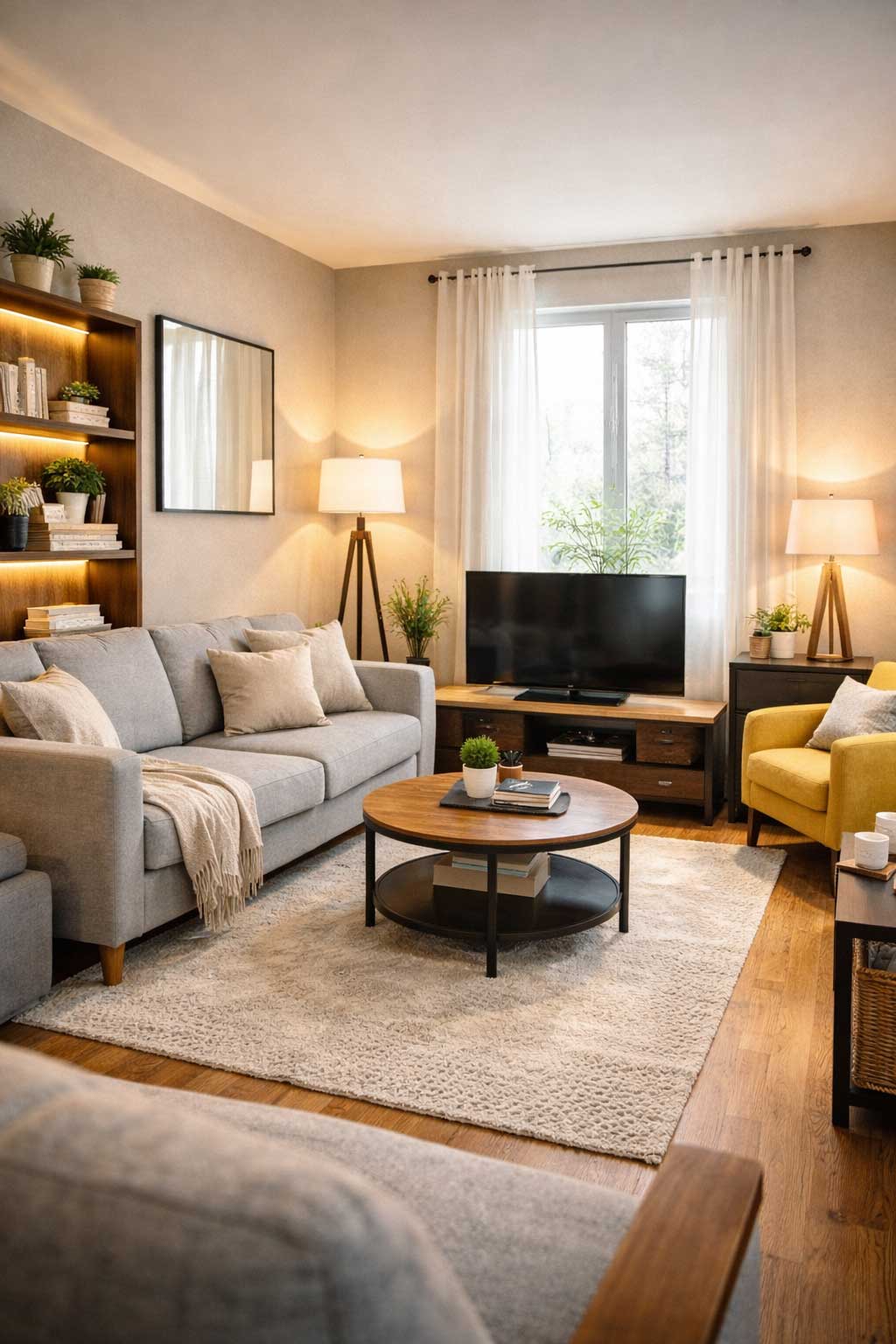
Combining floor lamps, table lamps, and accent lighting allows light to spread evenly across the space instead of concentrating in one area.
Floor lamps are especially helpful in apartments because they provide strong illumination without requiring permanent installation. Many renters choose lighting solutions like Best Floor Lamps for Small Apartments to add brightness to darker corners of a room.
Placing floor lamps near seating areas or room corners helps distribute light more evenly across the space.
Add Table Lamps for Ambient Lighting
Table lamps are another effective way to brighten darker rooms. Unlike overhead lights that cast harsh downward illumination, table lamps create softer ambient lighting that spreads horizontally across the room.
Placing table lamps on side tables, consoles, or shelves can help fill lighting gaps that overhead lights cannot reach.
Many apartment dwellers incorporate lighting options like Best Table Lamps for Small Apartments to create warm and inviting living spaces while improving overall brightness.
Using multiple table lamps throughout the apartment helps prevent shadows and dark areas from forming.
Install LED Strip Lighting
LED strip lighting is one of the easiest and most versatile ways to brighten an apartment. These lights can be installed along shelves, behind furniture, under cabinets, or along ceiling edges to add indirect lighting.
Indirect lighting works particularly well in dark apartments because it reflects light off walls and ceilings, helping the room feel brighter without harsh glare.
Many renters use lighting products featured in Best LED Strip Lighting for Apartments to create subtle ambient illumination in areas that traditional lamps cannot reach.
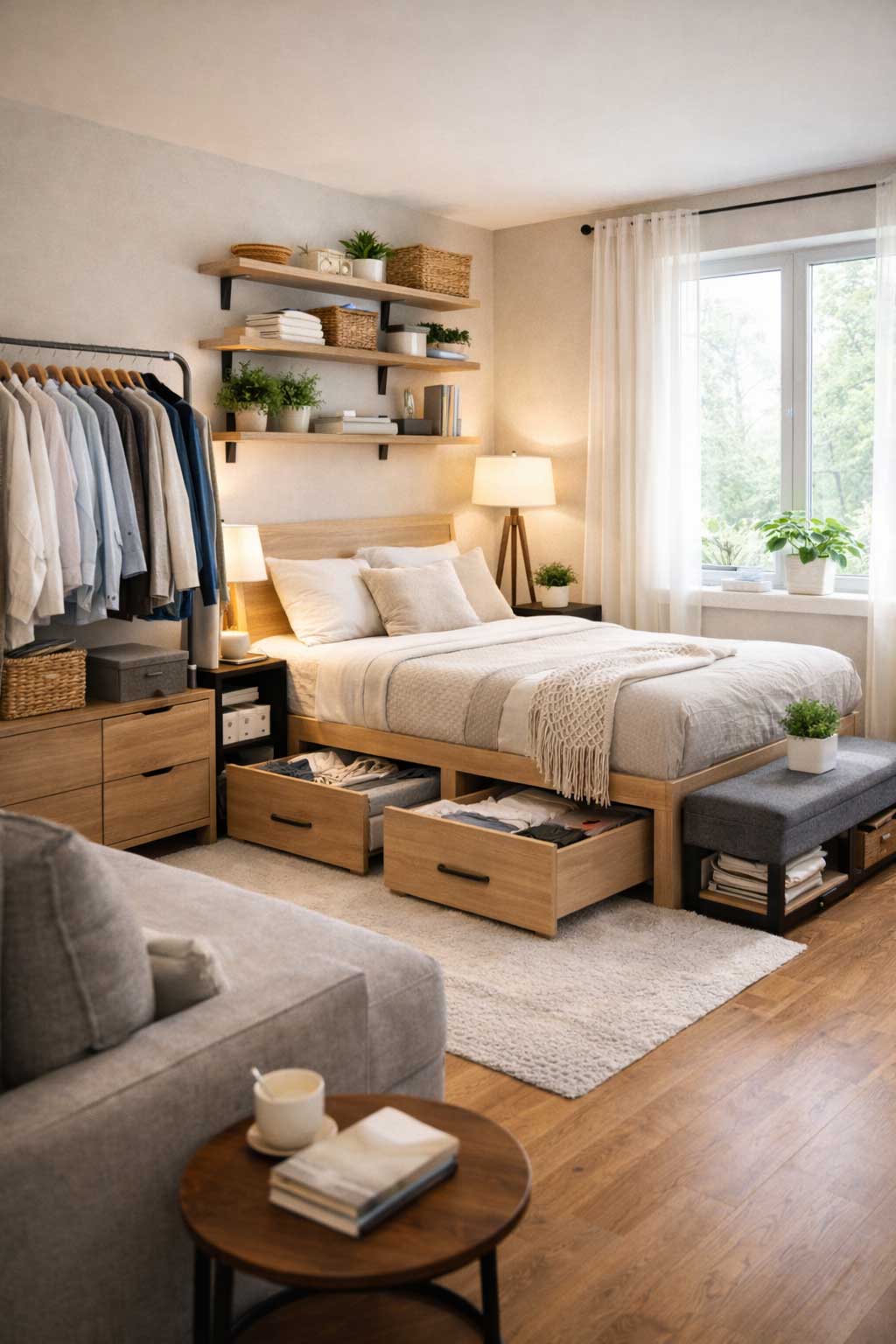
LED strip lights are especially useful for adding brightness behind televisions, shelves, or headboards.
Brighten Dark Corners with Accent Lighting
Corners are often the darkest areas in an apartment because they are far from windows and overhead lighting. Adding dedicated lighting to these areas can dramatically improve the overall brightness of a room.
Tall lamps are particularly effective for illuminating corners. These lamps project light upward and outward, helping it reflect off walls and ceilings.
Many apartment residents brighten corners using lighting solutions like Best Corner Floor Lamps for Small Living Rooms, which are designed specifically to fit into tight spaces while providing strong illumination.
This simple addition can help eliminate shadowed areas that make rooms feel darker than they actually are.
Use Smart Lighting for Adjustable Brightness
Smart lighting systems allow residents to control brightness levels, color temperature, and lighting schedules using mobile apps or voice commands.
Adjusting brightness throughout the day can help mimic natural daylight and create a more comfortable living environment.
Many renters use lighting systems featured in Best Smart Lighting for Apartments because they allow precise control over how bright a room becomes at different times of the day.
Smart bulbs also allow users to switch between warm evening lighting and cooler daylight tones.
Add Lighting to Functional Spaces
Certain areas of an apartment may remain dark even when the main living space is well lit. Closets, kitchen counters, and workspaces often benefit from additional lighting.
Under-cabinet lighting can dramatically improve visibility in kitchens while also brightening the overall appearance of the room.
Many apartment kitchens benefit from solutions like Best Under-Cabinet Lighting for Small Kitchens, which add focused lighting to food preparation areas.
Similarly, desks and workstations may require dedicated lighting solutions such as Best Desk Lamps for Small Apartment Offices to ensure adequate brightness for reading or working.
Use Mirrors to Reflect Light
Mirrors are one of the most effective ways to make a dark apartment feel brighter. By reflecting both natural and artificial light, mirrors help distribute light throughout the room.
Placing mirrors across from windows can amplify the amount of daylight entering the space. Even small mirrors can help bounce light into darker areas of a room.
Large mirrors placed strategically on walls can also create the illusion of a larger and brighter space.
This technique is commonly used in small apartments where maximizing available light is essential.
Choose Light Wall Colors
Dark paint colors can absorb light and make rooms feel smaller or dimmer. Lighter wall colors reflect more light and help brighten the space.
Shades such as soft white, light gray, cream, and pale beige are particularly effective at reflecting natural and artificial light.
If repainting is not an option due to rental restrictions, incorporating lighter décor elements such as artwork, rugs, or furniture can still help brighten the room.
Light-colored furniture also reflects more light compared to darker materials.
Keep Windows and Light Fixtures Clean
Dust and grime can significantly reduce the amount of light entering a room or emitted by lighting fixtures.
Cleaning windows regularly ensures maximum sunlight enters the apartment throughout the day.
Similarly, dusting lampshades and light fixtures helps maintain their brightness.
Even small maintenance tasks like replacing old bulbs with brighter LED options can improve lighting quality.
Add Ambient Decorative Lighting
Decorative lighting can add both brightness and visual interest to an apartment.
Soft ambient lighting options help create a warm and inviting atmosphere while supplementing primary light sources.
Many residents incorporate decorative lighting such as those featured in Best Ambient Lighting for Small Apartments to add subtle glow effects throughout living spaces.
These lights can be used behind furniture, along walls, or around entertainment centers.
Final Thoughts on Brightening a Dark Apartment
Living in a dark apartment does not mean you have to accept a dim or uninviting living space. With the right combination of lighting solutions, reflective surfaces, and smart design choices, even the darkest apartments can feel bright and comfortable.
Layered lighting using floor lamps, table lamps, and LED strip lights helps distribute light evenly across the room. Mirrors and light-colored décor further enhance brightness by reflecting available light.
By thoughtfully combining natural light improvements with artificial lighting solutions, it is possible to transform a dark apartment into a warm and welcoming home.