How to Add Storage to a Small Living Room Without Making It Feel Crowded
Adding storage to a small living room can be tricky because the room already has to balance seating, walking space, media storage, lighting, and everyday comfort. In many apartments, the living room is also one of the most visible areas in the home, which means bulky storage can make the space feel cramped fast. The challenge is not just fitting more storage into the room. It is adding useful function without making the layout feel heavier or more cluttered.
The good news is that a small living room can absolutely hold more than it looks like it should when storage is added strategically. The best solutions usually come from choosing furniture that works harder, using vertical space more effectively, and keeping storage scaled to the room. With the right approach, you can add meaningful storage to a small apartment living room while still keeping it open, comfortable, and easy to move through.
For furniture that adds storage without wasting space, start with Best Living Room Storage Benches for Small Apartments.
If you want wall-based storage ideas, check out Best Floating Shelves for Small Living Rooms.
This guide is part of our Small Apartment Living Room Solutions collection.
Why Small Living Rooms Need Storage That Feels Light
Storage is harder in a small living room than in many other parts of an apartment because the room already carries a lot of visual weight. Sofas, coffee tables, media furniture, lamps, rugs, and décor all take up both physical and visual space. When you add the wrong kind of storage on top of that, the room can start feeling crowded very quickly, even if the storage itself is technically useful.
The problem is not just size. It is also how the storage affects flow. A bulky cabinet, deep console, or oversized shelving unit can interrupt walking paths, make seating feel tighter, and visually shrink the room. In a living room, storage has to work with the layout rather than fighting against it.
That is why the best storage in a small living room usually feels lighter, narrower, or more integrated into the furniture you already need. A useful piece still has to respect the scale of the room. Otherwise, it solves one problem while creating another.
Start by Identifying What Actually Needs to Be Stored in the Living Room
The best living room storage plans start with clarity. Not everything needs to live in the living room full time, even if it tends to collect there. Before adding furniture or shelves, it helps to decide what really belongs in that space every day.
Daily-use items like remotes, blankets, books, small electronics, and a few household essentials usually deserve the most convenient access. Less-used items, seasonal décor, extra cords, archived magazines, or random overflow should not automatically take up prime living room storage. When too many categories get mixed together, the room starts carrying more than it should.
It also helps to separate storage by type. Media items should have their own zone. Blankets and soft goods should have their own zone. Decorative items and actual daily clutter should not be forced into the same area without any structure. The clearer these categories are, the easier it becomes to choose storage that supports the room instead of overloading it.
Use Furniture That Adds Storage Without Looking Bulky
One of the easiest ways to add storage to a small living room is to choose furniture that already has hidden utility built into it. This works especially well in apartments because every piece usually needs to justify the space it takes up. A storage piece that also functions as normal living room furniture gives you more value without forcing extra bulk into the room.
Storage benches are a strong example because they can hold blankets, pillows, board games, or miscellaneous living room overflow while still serving as seating or accent furniture. If you want a hidden-storage option that works hard without looking oversized, browse Best Living Room Storage Benches for Small Apartments.
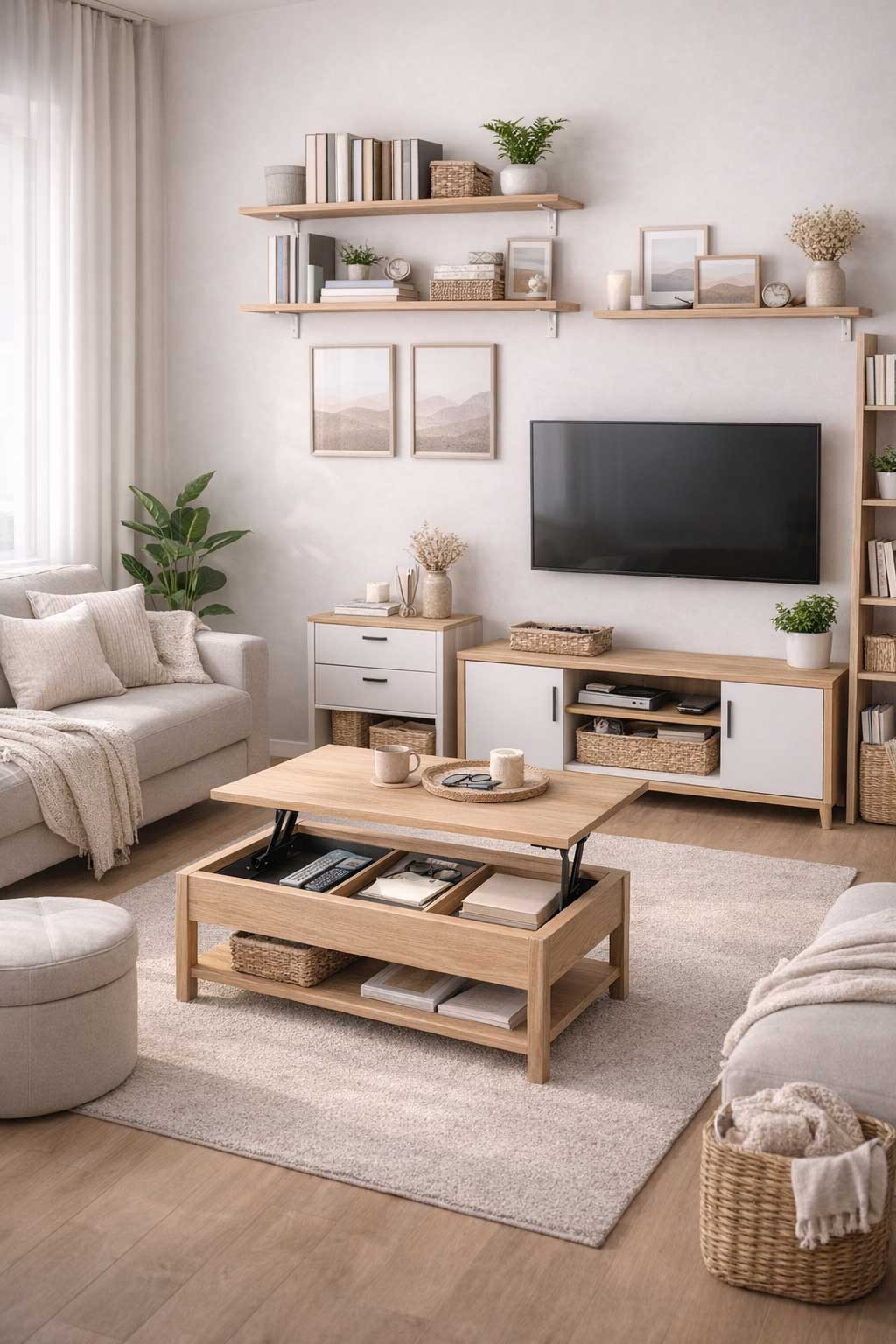
Coffee tables with built-in storage can help too, especially in smaller living rooms where the tabletop tends to attract clutter quickly. A table that holds remotes, chargers, coasters, or other daily items can make the whole room feel calmer. For options that combine function with cleaner surfaces, take a look at Best Lift-Top Coffee Tables for Small Living Rooms.
Slim accent cabinets can also work well when you need more concealed storage but want something lighter than a large console or heavy bookcase. In a small apartment living room, pieces that stay narrow and multi-functional usually perform better than furniture that looks substantial but overwhelms the space.
Use Vertical Storage Instead of Adding More Floor Bulk
Walls are often the best place to expand storage in a small living room because they add function without taking away valuable floor space. When the room already has a sofa, coffee table, and media setup, adding more wide furniture on the ground can make everything feel boxed in. Vertical storage helps solve that by moving some of the load upward.
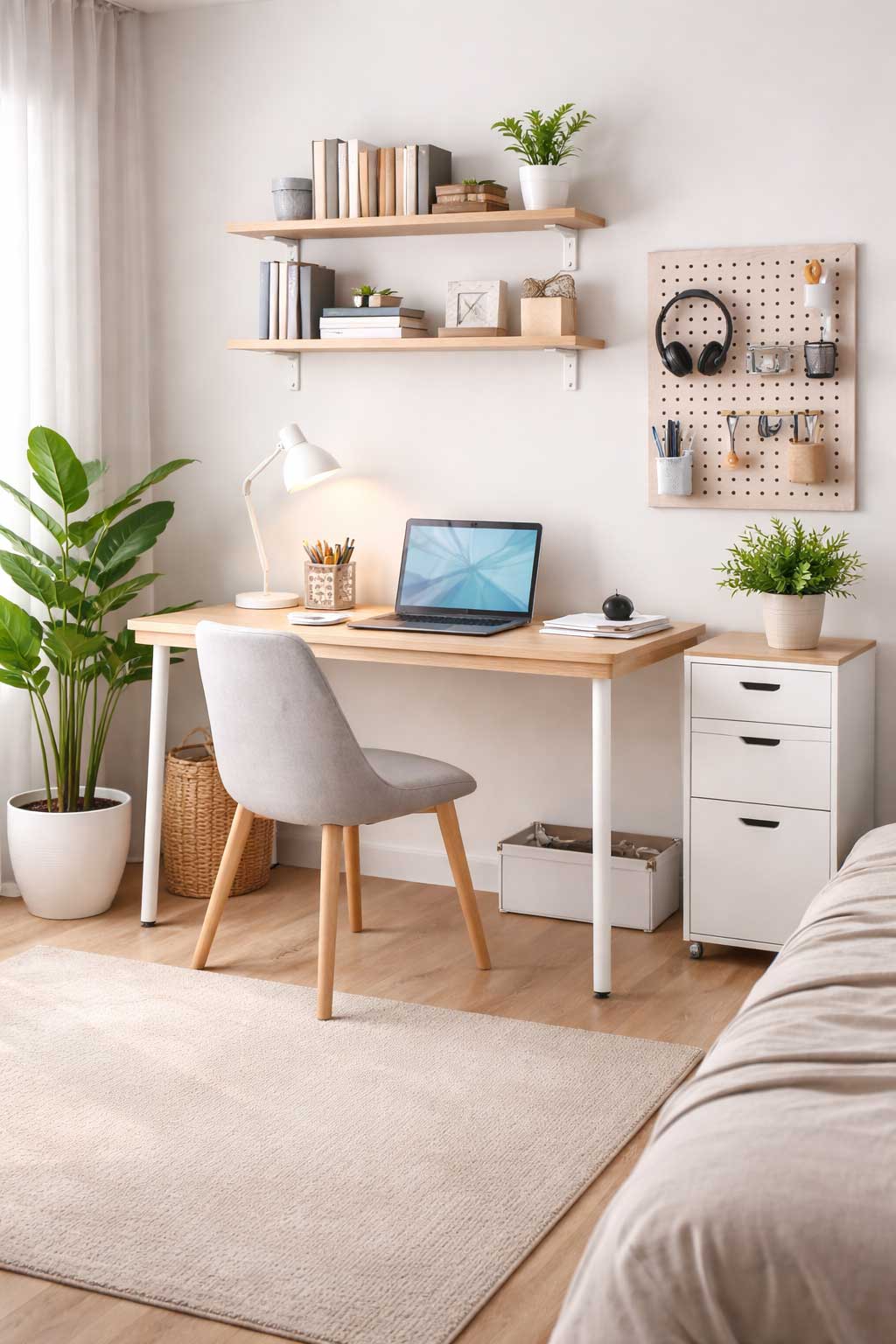
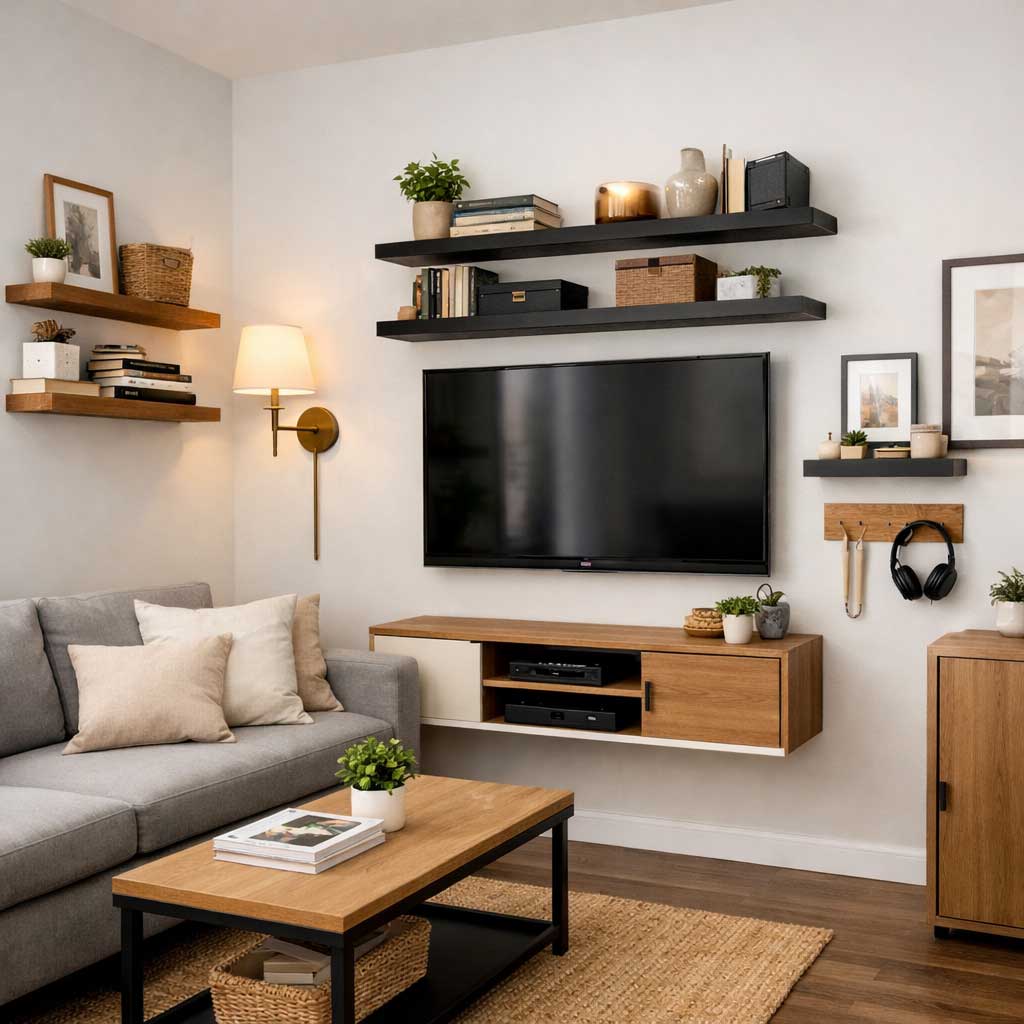
Floating shelves are especially useful because they can hold books, framed pieces, small baskets, and a few edited decorative items without creating the visual heaviness of a large shelving unit. If you want a cleaner wall-based approach, see Best Floating Shelves for Small Living Rooms.
Wall-mounted media shelves can also help free up the area around the TV by lifting electronics, accessories, or smaller media pieces off the floor. That can make the entertainment zone feel noticeably lighter and less crowded. For TV-area storage that uses walls more effectively, check out Best Wall-Mounted Media Shelves for Small Living Rooms.
In many small living rooms, taller narrow pieces also work better than low, wide ones because they preserve more open floor area. The goal is not to cover every wall with storage. It is to use a small amount of vertical storage intentionally so the room feels supported instead of crowded.
Keep Media Storage Clean and Contained
The TV area is often one of the biggest clutter zones in a small living room. Electronics, remotes, gaming accessories, speakers, cables, and decorative extras all tend to gather there. When they do not have a clear storage system, the room starts feeling busy even if the rest of the layout is fairly simple.
Hidden media storage usually works best because it keeps the most visually distracting items out of sight while still making them easy to reach. If your living room needs more controlled entertainment storage, take a look at Best Hidden Media Storage for Small Apartments.
Scale matters here too. Media furniture should match the size of the room rather than dominate it. In tighter layouts, a compact piece or a corner-friendly solution often works better than a long, heavy console stretching across the wall. For smaller TV-area furniture that protects floor space, browse Best Corner TV Stands for Small Apartments.
A cleaner media zone helps the entire room feel calmer. When cords, remotes, and devices stay contained, the living room feels more intentional and much less visually noisy.
Store Blankets, Pillows, and Everyday Soft Goods More Intentionally
Blankets, throw pillows, and other soft living room items create comfort, but they can also make a small space look cluttered when they do not have a dedicated home. A folded throw left on the sofa is one thing. Multiple blankets, extra pillows, and soft accessories spread across seating can make the room feel heavier very quickly.
That is why soft goods usually need a storage plan of their own. Hidden storage tends to work especially well because these items are bulky enough to create visual clutter but soft enough to store easily inside benches, ottomans, or closed furniture. A good storage bench or ottoman can make a noticeable difference here because it removes the overflow without making the room feel less cozy.
Open storage can work too, but it usually looks best when it stays edited. A neat basket or one visible folded throw can feel styled and intentional. Several soft items stacked loosely around the room usually feel more like clutter. In a small living room, containing these categories helps the seating area stay more relaxed and much less crowded.
Choose Storage That Preserves Walking Space
A living room can have enough storage and still feel uncomfortable if that storage hurts the room’s flow. Walking space matters a lot in apartments because living rooms often connect to entry paths, dining zones, or other shared areas. If storage crowds the seating area or narrows the main path through the room, the layout starts feeling cramped regardless of how organized it is.
Narrow storage usually works better than deep storage in this situation. Slim consoles, corner-friendly pieces, and wall-based options protect more usable floor area than furniture with a heavy footprint. If you need a piece that supports storage without crowding the room too much, check out Best Narrow Console Tables for Small Living Rooms.
Corner and wall-based options can also help preserve open floor space while still giving the room more function. In small living rooms, keeping movement comfortable is part of keeping the room feeling spacious. Storage should support the layout, not make it feel like you are squeezing around furniture just to get from one side of the room to the other.
Make the Living Room Look Organized, Not Overloaded
There is a big difference between a room that has storage and a room that feels organized. In a small living room, storage works best when it reduces visual clutter instead of just rearranging it. That usually means choosing fewer, better pieces and letting them do more of the work.
Closed storage often feels calmer than open storage because it hides the less attractive categories of living room life. Open shelving can still work, but it tends to look best when it is lightly styled and not overloaded with mixed-use clutter. A few edited items usually look much better than shelves trying to hold everything at once.
It also helps when décor and storage support each other. A shelf can hold both a few decorative objects and a basket for practical items. A cabinet can visually anchor the room while also hiding clutter. The more intentional those choices feel, the more likely the room is to stay open-looking even after storage is added. In a small apartment, one useful storage piece that looks right for the room usually works better than several smaller ones competing for attention.
Common Mistakes That Make a Small Living Room Feel More Crowded
One common mistake is choosing storage that is too wide, too deep, or too visually heavy for the room. Large pieces may offer more capacity, but they often take more from the room than they give back if they overwhelm the layout. Small living rooms usually benefit more from proportional storage than maximum-volume storage.
Another mistake is adding too many small pieces instead of one useful one. Several baskets, side tables, shelves, and bins can quickly make the room feel fragmented and busy. Often, one storage bench or one well-chosen cabinet will create a cleaner result than several scattered solutions.
Open storage can also become a problem when it turns into visible overflow. Shelves and surfaces need editing, not just more stuff stacked onto them. Finally, many small living rooms underuse vertical space, which puts too much pressure on the floor plan. When walls are ignored, people often end up relying on more bulky ground furniture than the room can comfortably handle.
Best Features to Look for in Small Living Room Storage
When choosing storage for a small living room, compact size should be one of the first priorities. Every piece needs to add useful function without overwhelming the space. Storage that feels proportional will almost always work better than something oversized, even if the larger piece technically offers more capacity.
Hidden storage is another major advantage because it helps the room feel calmer. The living room is one of the most visible spaces in an apartment, so containing clutter behind doors, lids, or panels often has a bigger impact than people expect. Vertical utility matters too, especially when the floor plan is already busy.
Clean, apartment-friendly design is also important. Storage should blend into the room instead of making it feel heavier. Multi-use function is one of the most valuable features of all. In a small living room, the best storage often comes from furniture that works hard quietly rather than announcing itself as a storage piece first.
Final Thoughts on Adding Storage to a Small Living Room Without Making It Feel Crowded
A small living room can hold more than it seems when storage is added thoughtfully. The key is not to force more furniture into the room. It is to choose storage that supports the way the room already needs to function without making it feel boxed in or visually overloaded.
The best living room storage usually stays compact, multi-functional, and scaled to the apartment. It keeps essentials contained, uses walls and vertical space when needed, and protects the walking space that helps the room feel open. That combination makes a much bigger difference than simply adding more places to put things.
When storage supports the layout instead of fighting it, the whole room feels calmer. That is the goal in a small apartment living room: more function, less clutter, and a space that still feels comfortable to sit in every day.
Our Top Living Room Storage Picks for Small Apartments
A small living room feels less crowded when storage adds function without making the room visually heavier. The most effective pieces usually hide everyday clutter, preserve floor space, and support the way the room already works.
Best overall choice:
Storage bench — A storage bench adds hidden capacity for blankets, pillows, and everyday overflow while still functioning as useful living room furniture.
👉 Check price on Amazon
Best wall-based option:
Floating shelf — A floating shelf helps move everyday items and light décor off the floor without making the room feel bulky.
👉 Check price on Amazon
Best media-area solution:
Hidden media storage unit — Concealed media storage helps keep electronics, remotes, and accessories under control so the TV area feels calmer.
👉 Check price on Amazon
Best coffee-table upgrade:
Lift-top storage coffee table — A storage coffee table adds hidden space while helping reduce the visible clutter that tends to gather in the center of the room.
👉 Check price on Amazon
Living rooms that need a little more concealed support may also benefit from a slim accent cabinet or a corner-friendly TV stand, especially when the goal is to add storage without sacrificing too much open floor area.
FAQ
How do you add storage to a small living room?
The best way to add storage to a small living room is to use multi-functional furniture, vertical shelves, and compact hidden-storage pieces that fit the room without crowding the layout.
What is the best storage for a small apartment living room?
The best storage for a small apartment living room usually includes pieces like storage benches, floating shelves, hidden media storage, and compact coffee tables with built-in storage.
How do you store things in a small living room without clutter?
Store things in a small living room without clutter by separating categories, keeping only daily-use items close, using closed storage for messier items, and avoiding too many visible storage pieces.
What furniture adds storage without making a room feel crowded?
Furniture that usually adds storage without making a room feel crowded includes storage benches, lift-top coffee tables, slim accent cabinets, floating shelves, and narrow wall-based media storage.